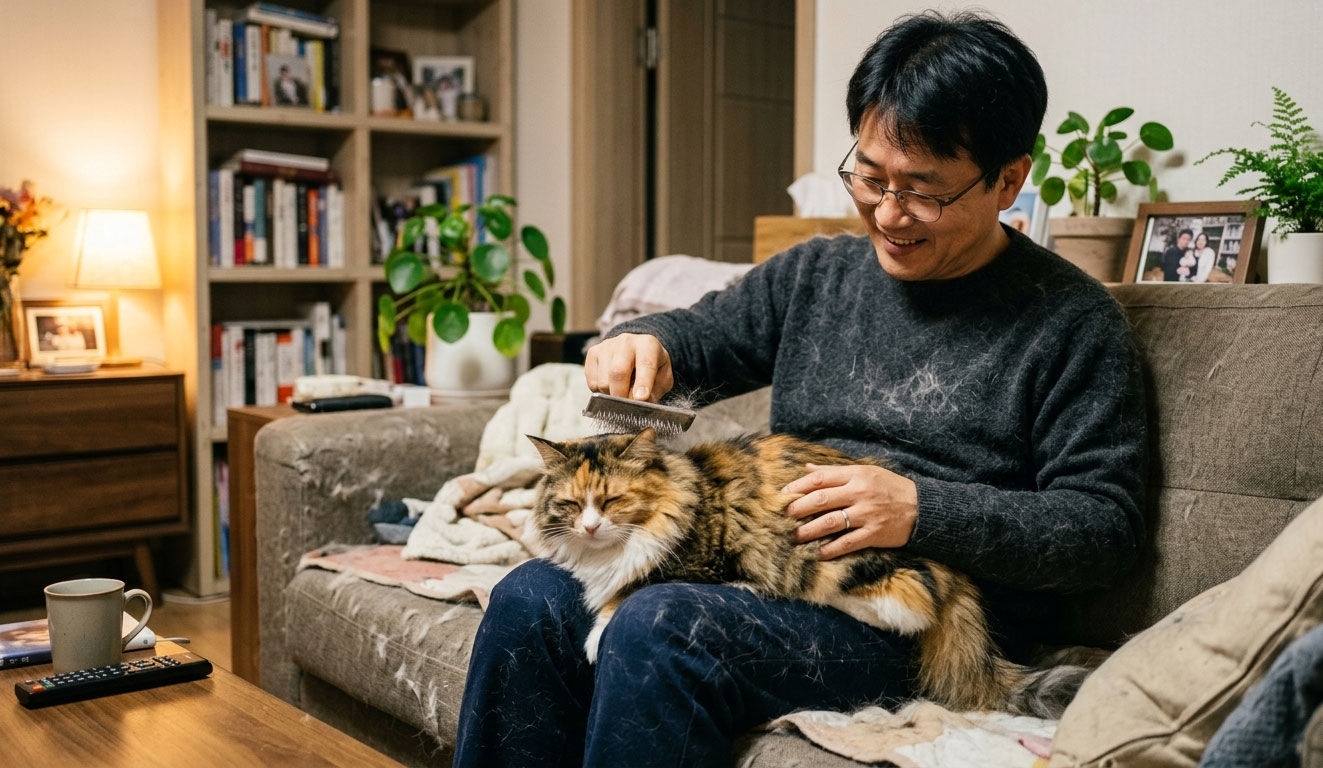
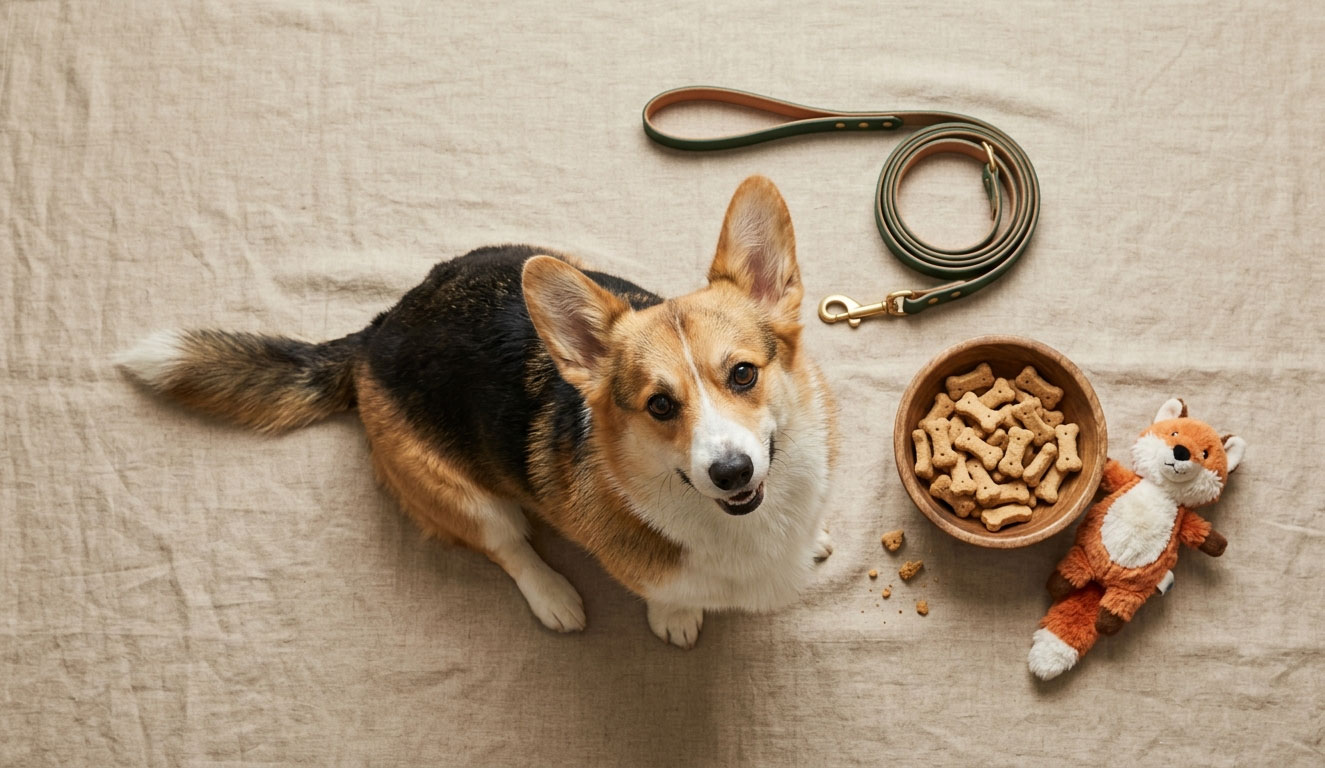
Pet Adoption: Think One More Time Before the Excitement

The thought of a small, warm life entering your home is exciting for anyone. The emotion of welcoming a pet for the first time is difficult to express in words. However, to ensure that excitement leads to lasting happiness, there are things you must check and prepare before adoption.

Pets are companions that you stay with for an average of 10 to 15 years or more. Sufficient preparation leads to much better results for both the pet and the owner than an impulsive decision. In this article, we organize the essential items to check before adoption step by step.

The 5 things you must check before adopting a pet are as follows

Thoroughly checking the following five points before deciding to adopt makes all subsequent preparations much easier. Let's check them one by one in order.

**First — Check if the animal fits your lifestyle**

**Dogs and cats are both pets, but the way they are lived together differs significantly. Dogs need walks once or twice a day, and they often develop separation anxiety if they are left alone for extended periods. On the other hand, cats are relatively independent, making them a good fit for busy professionals, but they require their own space and sufficient environmental stimulation.**

**Before adoption, let's honestly check the following items. The key factors are how many hours you spend at home on average each day, whether you frequently travel long distances on weekends, whether there is enough space for activity within the house, and whether all family members living together have agreed. If you want to compare in more detail which animal—a dog or a cat—suits your lifestyle, it would be helpful to refer to Dog vs. Cat, Which Pet Is Right for Me?.

Second — Confirming Family Consent and Division of Roles

Adoption is not a decision made alone. If even one family member opposes it or has allergies, conflicts may arise after adoption. Especially for households with young children, it is important to educate the child in advance on how to properly interact with animals.

Dividing care roles in advance, such as walking, feeding, and cleaning, prevents the burden from falling on a single person. Sustainable care is essential for a pet to grow up in a stable environment. It is recommended that the family gather together before adoption to divide up the roles.

Third — Realistically Calculate Initial Costs and Monthly Living Expenses

Raising a pet costs more than you might think. If you understand the costs and prepare in advance, you can care for the pet without wavering even in unexpected situations.

Initial costs for the first month of adoption include adoption fees or rehoming fees (free to hundreds of thousands of won), basic supplies such as food bowls, litter boxes, and cushions (100,000 to 200,000 won), the first health checkup and basic vaccinations (50,000 to 150,000 won), and the recommended cost for neutering (150,000 to 300,000 won). For fixed monthly expenses, you should expect food and treats (50,000 to 150,000 won), litter or pads (20,000 to 50,000 won), and installment costs for regular health checkups (around 10,000 to 30,000 won per month).

Veterinarians often recommend considering pet insurance to prepare for sudden serious illnesses. Since pets are companions you can live with for over 15 years, it is advisable to establish a financial plan with a long-term perspective. The choice of food is also directly linked to costs. If you want to properly understand the ingredients of dog food, referring to How to Read Dog Food Ingredient Labels will help you make a wise choice.

반려동물 입양 준비 체크리스트 이미지

Fourth — Choosing a Trustworthy Adoption Home

Where you adopt has a significant impact on your pet's initial health and adaptability. Adoption homes are broadly divided into three categories.

The first are animal shelters and adoption cafes. There are many socialized animals there, and it is a meaningful choice that saves a life. It is important to thoroughly check the animal's personality and health status before adoption. The second is breeders (professional breeders). If you want an animal with a verified pedigree, you must find a trustworthy breeder and personally verify the parents' health records and the breeding environment. The third option is pet shops; while easily accessible, the animals may come from factory farms, so you must verify their origin and health status.

Regardless of how you adopt, it is strongly recommended to visit a veterinary clinic within 2 to 3 days of adoption to check their health.

Fifth — Safely prepare your home environment in advance.

The space where your new family first enters must be safe and comfortable for them to adapt quickly. Organizing electrical wires and removing toxic plants should be the priority. Plants such as Monstera, Aloe, and Daffodils are toxic to pets. Slippery floors can cause joint injuries, so it is advisable to lay down mats or rugs.

Let's also prepare a quiet and cozy dedicated space in advance. Animals arriving in a new environment are tense. Initially, a small, cozy corner provides a sense of stability rather than a large open space. It is a good idea to save the locations of veterinary clinics near your home and 24-hour emergency veterinary clinics before adoption. This is because emergencies can occur without warning.

반려동물 입양 환경 준비 이미지

The First 2 Weeks After Adoption — This Period Determines the Lifelong Relationship

The first two weeks after adoption are the most critical time for a pet to adapt to its new environment. How you spend this period lays the foundation for a trusting relationship later on.

Do Not Try to Force Friendship

Waiting for the animal to approach you first, rather than forcing yourself to hold or touch it, is the fastest way to build trust. Just as humans need time when encountering a new environment, the same is true for animals.

**Establishing a Consistent Routine**

**Maintaining consistent feeding, playtime, and bedtimes helps animals settle in quickly. A routine creates a predictable environment, which leads to a sense of relief.**

**Carefully Watching for Signs of Health Issues**

**Symptoms such as loss of appetite, lethargy, and diarrhea may appear during the process of adapting to a new environment. While a day or two may be a stress response, it is advisable to visit a veterinary clinic if symptoms persist for three days or more. If you want to know in advance how a guardian should cope when a pet is sick, I recommend reading When My Pet Is Sick, A Guardian's Mind together.

반려동물 첫 2주 적응 이미지

Conclusion — Prepared Adoption Creates a Long and Happy Cohabitation

Adopting a pet is not the end, but the beginning. Life with a pet welcomed after sufficiently preparing these five things—checking your lifestyle, obtaining family consent and dividing roles, calculating costs, selecting a trustworthy adoptive home, and establishing a safe environment—is clearly different from starting impulsively.

The moment the sound of small, warm footsteps echoes through the house, that animal becomes the most honest family member for a lifetime. While you should keep your excitement intact, I recommend that you review the five points introduced today one by one and proceed with your preparations at a leisurely pace.

※ The health and cost figures in this article are for general reference only; please be sure to consult a veterinarian for an accurate diagnosis and treatment.