If you catch a cold every change of season and your recovery is slow even when fatigue builds up

There are people who invariably catch a cold every time the seasons change. While those around you seem fine, you are the only one with a runny nose; you feel tired even though you think you've slept enough; and even small wounds take a long time to heal. If these symptoms recur, it could be a sign that your immunity is low.

It is easy to think that immunity is something you are born with. However, a significant portion of immunity is determined by daily lifestyle habits. How much sleep you get, how you manage stress, and what you eat have a direct impact on your immune system. In this article, we summarize the causes of declining immunity and lifestyle habits to boost immunity that you should prioritize over medication.

What is Immunity — It Is Not Innate

Immunity is a defense system that protects the body from bacteria, viruses, and toxins invading from the outside. It is broadly divided into innate immunity, which is present from birth, and acquired immunity, which develops through life experiences. The important point is that acquired immunity varies significantly depending on lifestyle habits.

More than 70% of immune cells are concentrated in the gut. During sleep, immune cells are active and regulate inflammation. Chronic stress weakens the immune system by increasing cortisol, an immunosuppressive hormone. In other words, sleep, stress, and gut health are the key to immunity. This is why prioritizing these three things is far more effective than taking immunity supplements sold at pharmacies.

There are three main reasons why immunity declines.

To know what to do to strengthen immunity, you must first understand why it declines.

The first reason — lack of sleep.

Sleep is the time for the immune system to reorganize itself. During sleep, T cells and cytokines, which are immune cells, are actively produced, and cells damaged during the day are repaired. According to research, people who sleep six hours or less a day are four times more likely to catch a cold than those who sleep seven hours or more. If you feel your immunity is low, you should first check the duration and quality of your sleep.

Second Reason — Chronic Stress

While short-term stress actually temporarily strengthens the immune system, chronic stress has the opposite effect. When stress persists, cortisol is continuously secreted, and this hormone suppresses the activity of immune cells. If you are always tired, get sick frequently without a reason, and wound healing is slow, it could be a sign that chronic stress is eating away at your immunity.

Third Reason — Worsening Gut Health

The gut is such an important organ that it is called the "second brain." Since more than 70% of immune cells are concentrated in the gut, if gut health collapses, immunity collapses along with it. Irregular meals, excessive sugar intake, and the overuse of antibiotics reduce beneficial gut bacteria and weaken the immune system. If you frequently experience stomach upset or have poor digestion, it is highly likely that this is linked to a weakened immune system.

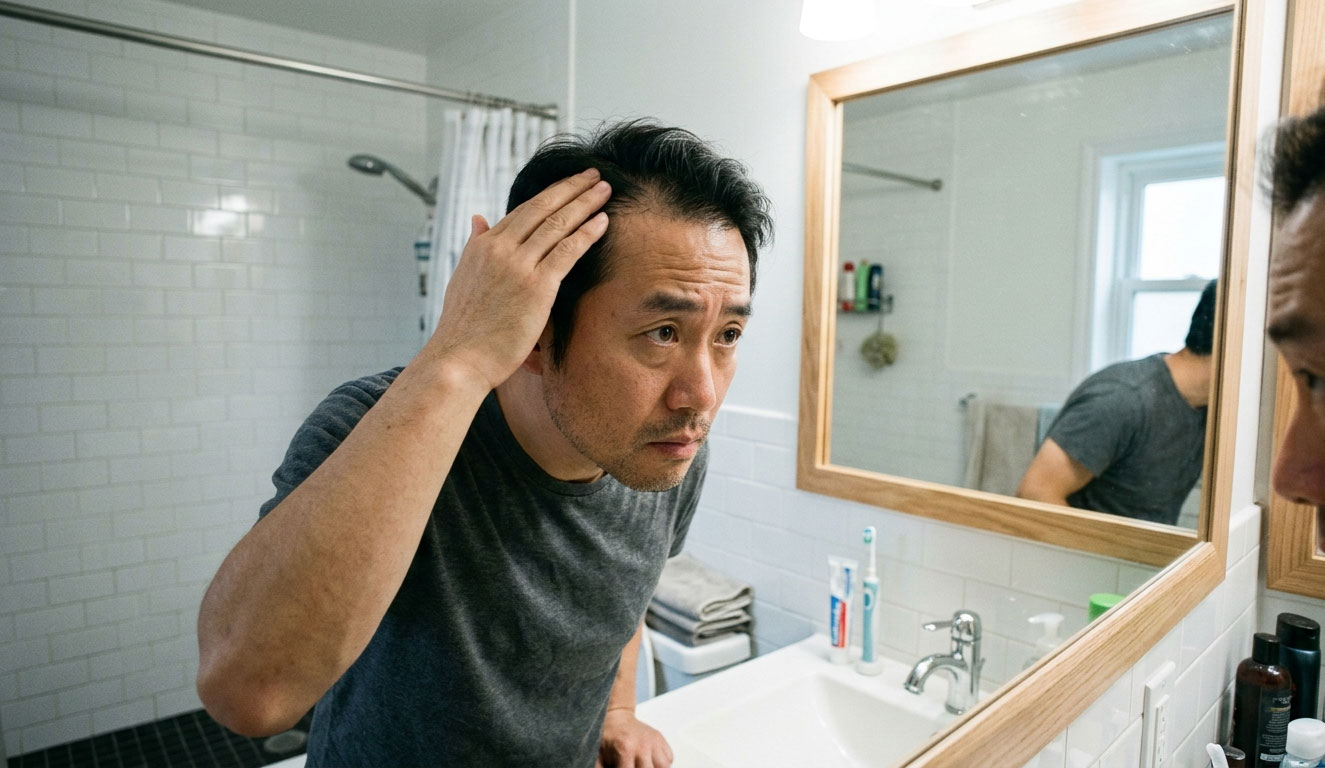
면역력이 떨어지는 원인 이미지

There are 5 major lifestyle habits to boost immunity

You do not need expensive supplements to strengthen your immunity. Your immune system will change noticeably if you consistently practice just the following five lifestyle habits.

Lifestyle Habit 1. Secure 7–9 hours of sleep

The most effective and cost-effective way to boost immunity is getting enough sleep. For adults, 7 to 9 hours of sleep per day is recommended. The quality of sleep is just as important as the amount of sleep. Simply maintaining a consistent bedtime and wake-up time, and putting down your smartphone one hour before bed, can significantly improve the quality of your sleep. If you want to learn more about the relationship between sleep and immunity, I recommend reading Science Proven That Sleep Is the Best Medicine together.

Lifestyle Habit 2. Creating a Stress Management Routine

It is impossible to completely eliminate stress. However, it is possible to create a routine to manage it so that it does not become chronic. Just a light walk of 10 to 20 minutes a day, meditation, and diaphragmatic breathing can lower cortisol levels. Intentionally creating time alone to rest the brain is also an effective stress management method. The important thing is not a special method, but consistent practice.

Lifestyle Habit 3. Eating Immunity-Boosting Foods to Care for Gut Health

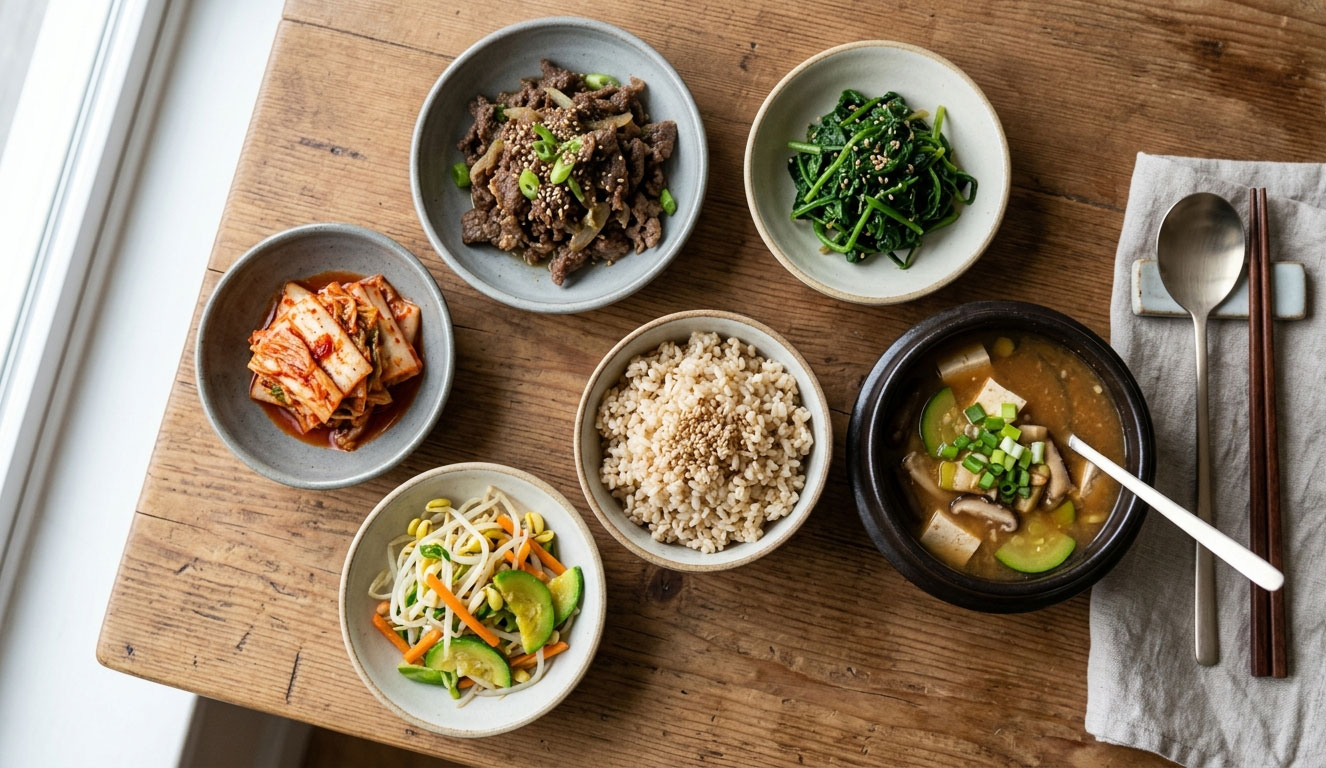
Consistently consuming immunity-boosting foods that increase beneficial gut bacteria is the key to strengthening immunity. Fermented foods such as kimchi, doenjang, and cheonggukjang are rich in lactic acid bacteria and improve the intestinal environment. Vegetables and fruits rich in dietary fiber serve as food for beneficial bacteria, helping to maintain gut health. On the other hand, excessive sugar, processed foods, and alcohol increase harmful bacteria, damaging gut health. A plate of kimchi and a bowl of doenjang soup every day are often more effective than expensive probiotic supplements.

Lifestyle Habit 4. Activating Immune Cells Through Regular Exercise

Regular moderate-intensity exercise increases the number and activity of immune cells. It is recommended to engage in exercise that makes you slightly out of breath, such as walking, cycling, or swimming, 3 to 5 times a week for at least 30 minutes. Exercise promotes blood circulation, increasing the speed at which immune cells patrol the entire body. However, excessive high-intensity exercise can actually temporarily lower immunity. The key is to exercise consistently without overexerting yourself. If you are curious about realistic ways to build an exercise habit, referring to 10 Minutes a Day, Movement Changes Everything will be helpful.

Lifestyle Habit 5. Replenish Vitamin D with Sunlight

Vitamin D is an important nutrient that regulates the function of immune cells. A significant number of adults in Korea are deficient in Vitamin D, which is one of the causes of a decline in immunity. You can synthesize sufficient Vitamin D just by getting 15 to 20 minutes of sunlight outdoors every day. This is why a short walk during lunchtime provides practical help in strengthening immunity. If exposure to sunlight is difficult, taking Vitamin D supplements is an option, but it is recommended to utilize natural light first.

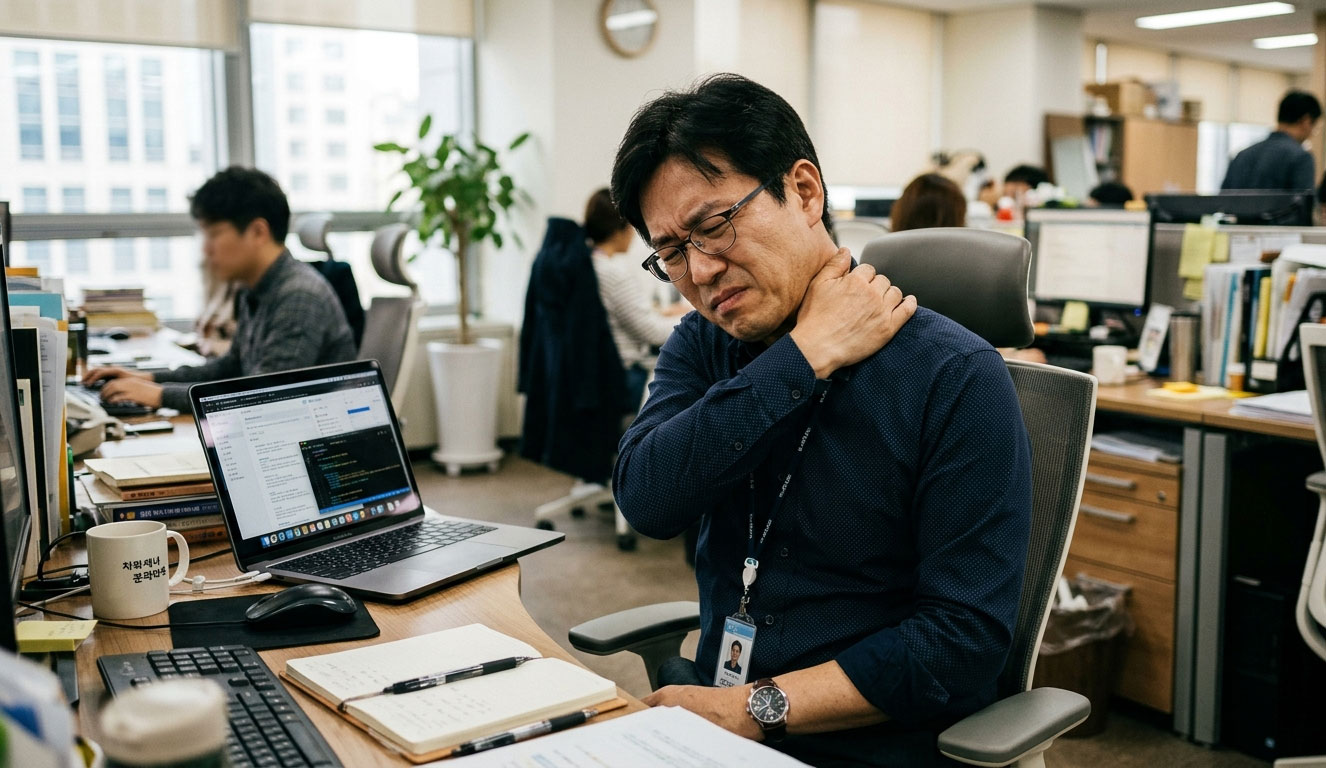
면역력 높이는 습관 이미지

Immunity-Boosting Routine to Practice Starting Today

It is difficult to sustain if you try to change five things at once. It is more realistic to build them into routines one by one.

Morning Routine

After waking up, do light stretching for 10 to 15 minutes outdoors or by a window while basking in the sunlight. Starting breakfast with fermented foods, including kimchi or soybean paste soup, allows you to take care of both gut health and immunity at the same time.

Daytime Routine

Walk lightly for 15 to 20 minutes after lunch. You can reap the benefits of both exercise and sunlight exposure. If stress builds up in the afternoon, simply stepping away for a moment to practice abdominal breathing for about 5 minutes can lower cortisol levels.

Evening Routine

Put down your smartphone and dim the lights starting one hour before bed. The habit of recalling one good thing that happened today before falling asleep helps reduce psychological stress. Going to sleep at a consistent time is the most important thing.

면역력 강화 일상 루틴 이미지

Conclusion — Immunity is built by daily choices

There are three main reasons why immunity declines: lack of sleep, chronic stress, and deteriorating gut health. And improving these three is the key to boosting immunity. Sufficient sleep, stress management, taking care of gut health, regular exercise, and getting Vitamin D from sunlight — these five lifestyle habits are all things you can start today.

Strengthening immunity is not an event for a special day, but the accumulation of small daily choices. Try starting by taking a 15-minute walk outside during your lunch break today.

※ The content of this article is for general health information purposes only. If you experience severe or persistent weakened immunity, please consult a specialist.