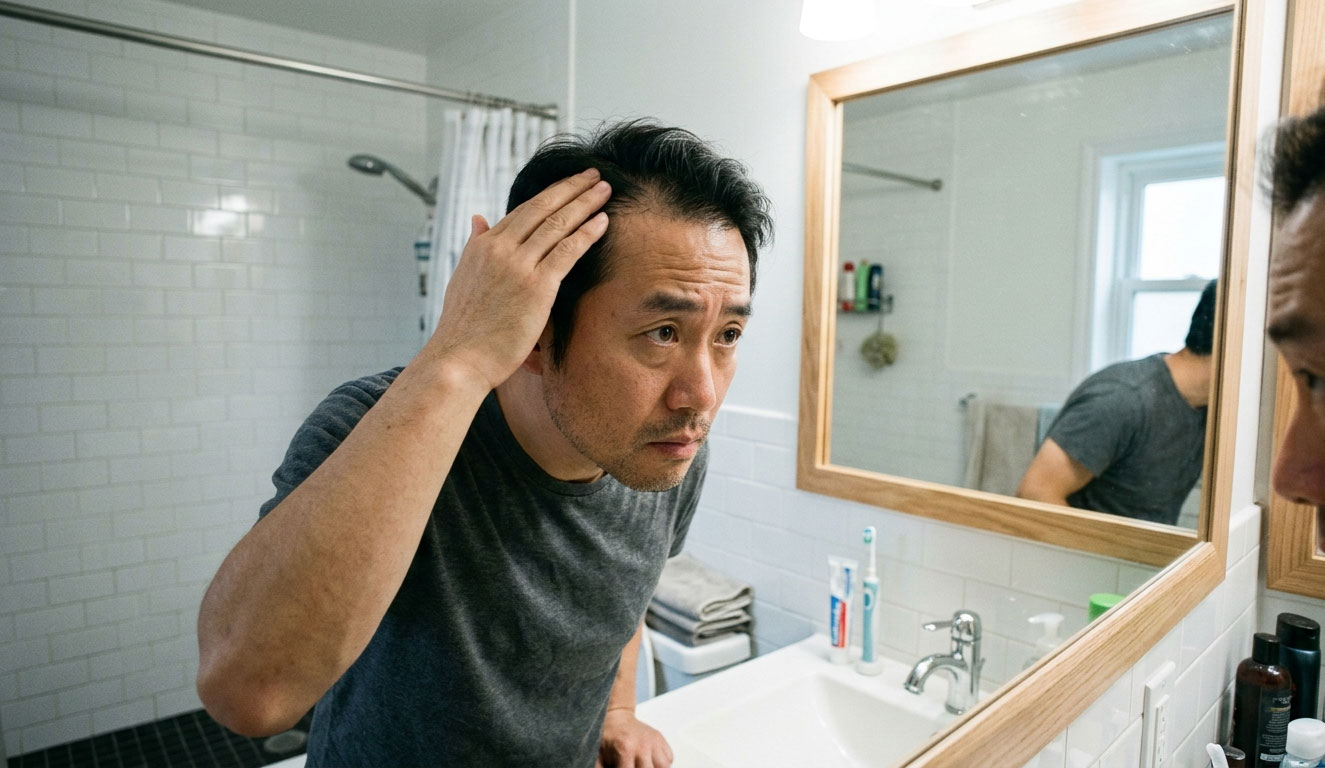
Hair Loss Is Not Just a Genetic Problem

Hair that accumulates in the drain every time you wash your hair, hair left on your pillow in the morning, and a forehead that grows wider in the mirror. When hair loss begins, many people resign themselves to it, thinking, "My parents went through the same thing, so it can't be helped." It is true that genetic factors influence hair loss. However, having a genetic predisposition does not necessarily mean hair loss will be severe, nor does the absence of a genetic predisposition guarantee freedom from hair loss.

Hair loss is a complex phenomenon where genetics and lifestyle habits interact. This is why the degree of hair loss often differs even among siblings who share the same genes. Simply changing your lifestyle can slow down the progression of hair loss and maintain scalp health. This article summarizes everything from the actual causes of hair loss to preventive habits you can start practicing today.

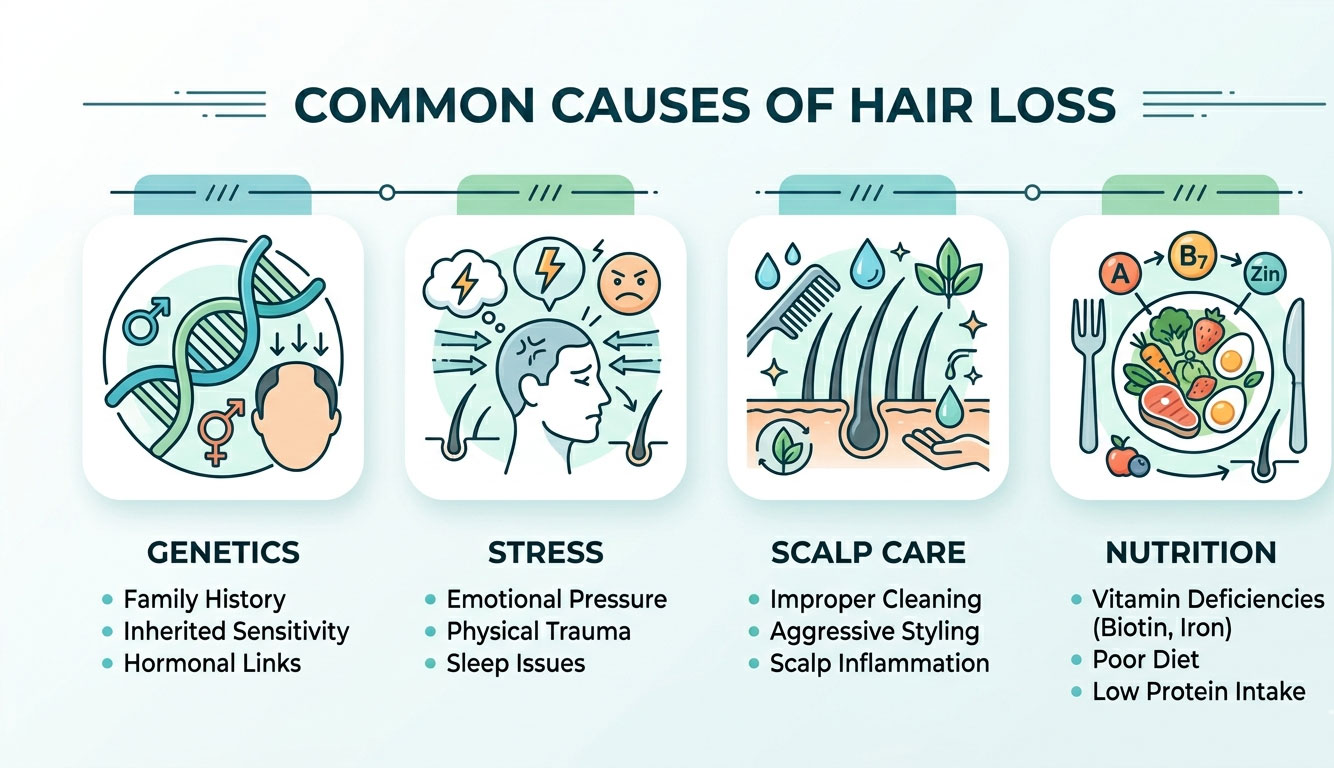
There are four main reasons why hair loss occurs

You must accurately understand the causes of hair loss to find effective preventive methods. An approach tailored to the cause is far more important than simply changing shampoos or taking supplements.

First Reason — Genetic Factors

Hereditary hair loss is called androgenetic alopecia and occurs when hair follicles shrink due to the male hormone DHT (dihydrotestosterone). If at least one parent has hair loss, the likelihood of inheritance increases, but heredity is not a definitive diagnosis of hair loss. Even with genetic factors, managing lifestyle habits can delay the onset or slow the progression. Hereditary hair loss typically begins with a receding hairline or starts at the crown.

Second Reason — Stress and Hormonal Changes

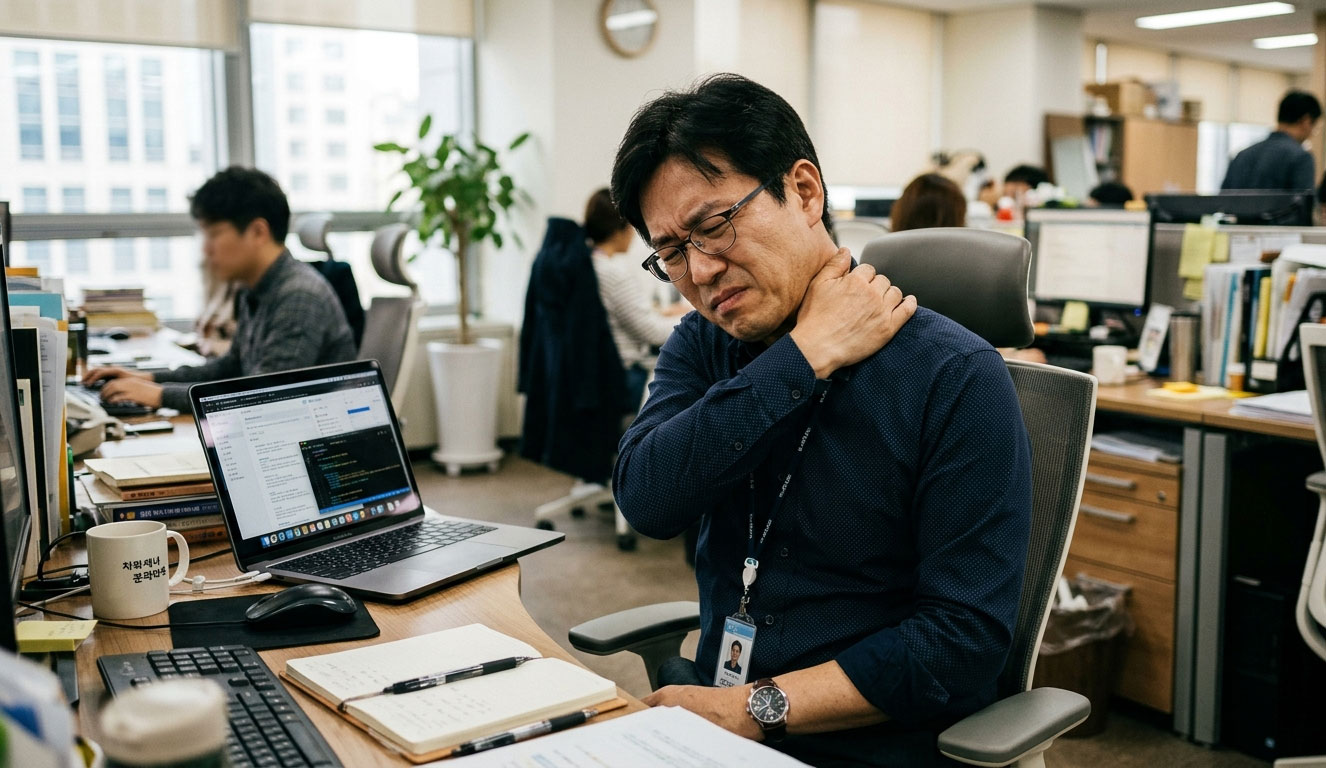
Chronic stress is one of the biggest acquired causes of hair loss. When under stress, cortisol levels rise, and this hormone disrupts the hair growth cycle, increasing the proportion of hair in the resting phase. This applies to cases where a large amount of hair suddenly falls out two to three months after extreme stress. Temporary hair loss can occur for the same reasons after childbirth, rapid weight loss, or surgery. Thyroid dysfunction also causes hormonal imbalances that lead to hair loss. This is why stress management is indispensable for preventing hair loss. If you are curious about the relationship between stress and immunity, I recommend reading 5 Lifestyle Habits to Boost Immunity together.

Third Reason — Improper Scalp Care

The scalp is the soil for hair. If the scalp is not healthy, healthy hair cannot grow. Incorrect shampooing methods, excessive heat from hair dryers, and residue from styling products that clog the scalp block pores and damage the health of hair follicles. Conversely, washing too frequently or scrubbing too hard can also irritate the scalp. The habit of going to sleep without completely drying your scalp after shampooing can also cause scalp problems and hair loss.

Fourth Reason — Nutritional Imbalance

The main component of hair is keratin protein. If protein intake is insufficient, hair becomes thinner, breaks easily, and hair loss worsens. Iron deficiency is one of the common causes of hair loss in women, and hair loss often accompanies anemia in women. Deficiency in zinc, biotin, and vitamin D also affects hair growth. If nutrient intake is drastically reduced due to an extreme diet, hair loss occurs as the body stops supplying nutrients to hair growth, which is not essential for survival.

탈모 원인 4가지 이미지

Signs that Hair Loss Is Progressing

It is within the normal range to lose 50 to 100 hairs a day. However, if the following signs appear, hair loss may be in progress. The earlier it is detected, the easier it is to deal with.

If you notice a significant increase in the amount of hair you grab while shampooing, or if more hair than usual remains on your pillow or comb, you need to be cautious. If your hairline is receding or you feel that the thickness of the crown is decreasing, it could be a sign of progressive hair loss. If itching, dandruff, or oiliness on the scalp has worsened, it means the scalp environment is deteriorating. If your hair has become thinner and weaker, it is a sign that your hair follicles are weakening. If these symptoms persist for more than three months, it is recommended to visit a dermatologist or a hair loss specialist clinic.

There are five major lifestyle habits for preventing hair loss.

The key to preventing hair loss is consistent lifestyle management rather than special treatment. Let's start practicing the following five points today.

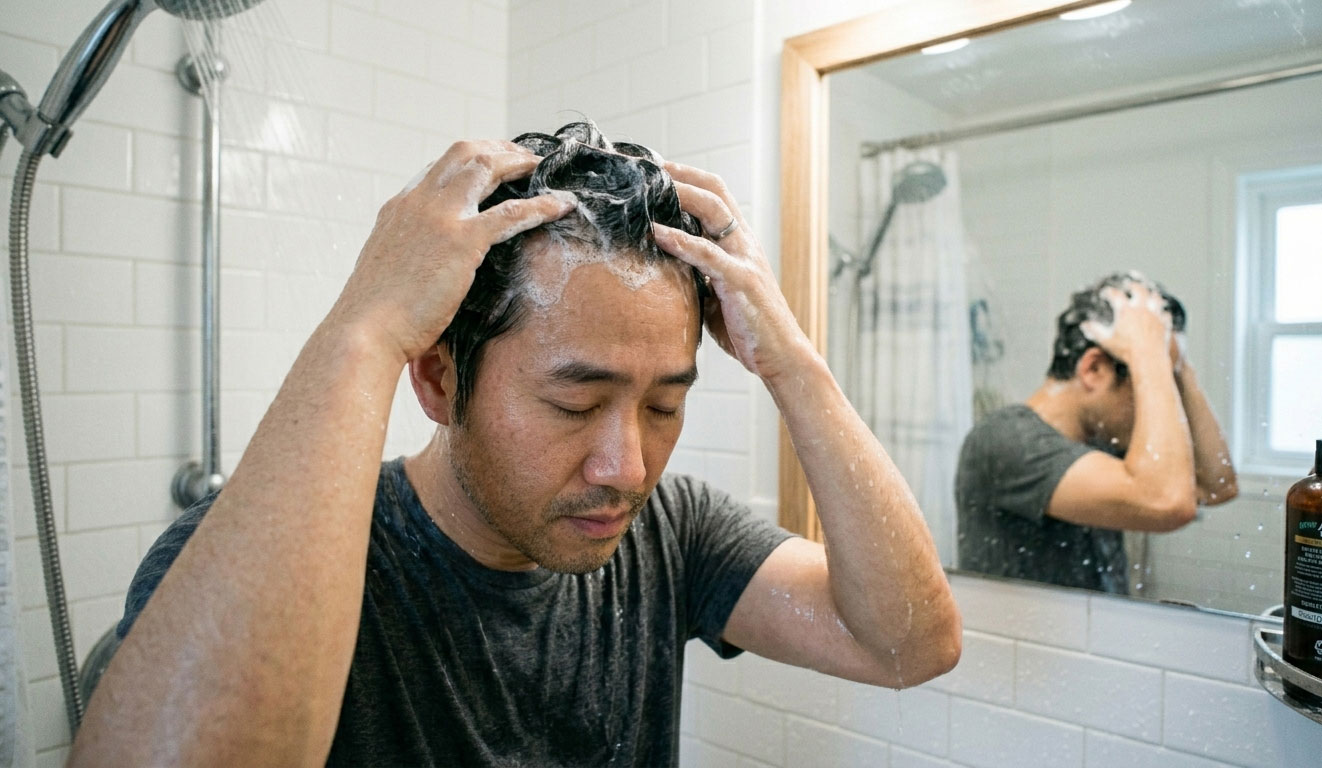
Lifestyle Habit 1. The Correct Way to Shampoo

Shampooing every day is good for scalp health. This is because sebum, dust, and styling product residue accumulated throughout the day clog the pores. Before shampooing, rinse thoroughly with water to remove large impurities. Lather the shampoo sufficiently in your palms before applying it to your scalp. Wash gently with the pads of your fingers, massaging gently, rather than scratching with your fingernails. It is important to rinse thoroughly after shampooing to ensure no residue remains. Keep the hairdryer at least 15cm away from the scalp, dry with lukewarm air first, and finish with cool air. It is essential to completely dry your scalp before going to bed.

Lifestyle Habit 2. Scalp Massage

Scalp massage promotes blood circulation, increasing nutrient supply to hair follicles. Make it a habit to massage your scalp for 3 to 5 minutes while shampooing, or to lightly tap and massage your entire scalp in circles with your fingers before bed. Using a dedicated scalp massager is even more effective. There are research results showing that a 5-minute daily scalp massage provides substantial help in preventing hair loss in the long term.

Lifestyle Habit 3. Stress Management

Hair loss caused by stress can only be fundamentally improved by addressing the underlying cause. 10 to 20 minutes of light exercise, meditation, or hobbies daily lowers cortisol levels and improves the environment for hair growth. Since sleep deprivation also increases stress hormones, ensuring sufficient sleep is fundamental to preventing hair loss. If you would like to learn more about the relationship between sleep and recovery, I recommend reading Science Proven That Sleep is the Best Medicine together.

Lifestyle Habit 4. Supplements and Diet

The priority is to consume sufficient nutrients necessary for hair health through your diet. It is recommended to include protein-rich foods such as chicken, eggs, tofu, and legumes in your diet daily, and to regularly consume iron-rich foods like spinach, beef, and oysters. Zinc is abundant in oysters, pumpkin seeds, and nuts. If diet alone is insufficient, you may consider taking additional biotin, zinc, and iron supplements. However, since excessive intake of supplements can cause problems, it is important to adhere to the recommended dosage.

Lifestyle Habit 5. Sleep and Blood Circulation

Hair grows while you sleep. Growth hormones are secreted during sleep, stimulating hair growth. Getting 7 to 8 hours of sufficient sleep per day directly helps prevent hair loss. Aerobic exercise promotes overall blood circulation, increasing blood flow to the scalp. Consistently engaging in aerobic exercises such as walking, cycling, or swimming for 30 minutes at least three times a week is effective for improving scalp health. Wearing tight hats or headbands for extended periods hinders blood circulation in the scalp, so caution is required.

탈모 예방 생활습관 이미지

Scalp Care Routine to Start Today

If it is difficult to change five things at once, let's start with the following routine.

When Shampooing

Wash while massaging the scalp with your fingertips instead of your fingernails. After shampooing, finish with cool air to close the scalp pores. Check that your scalp is completely dry before going to sleep.

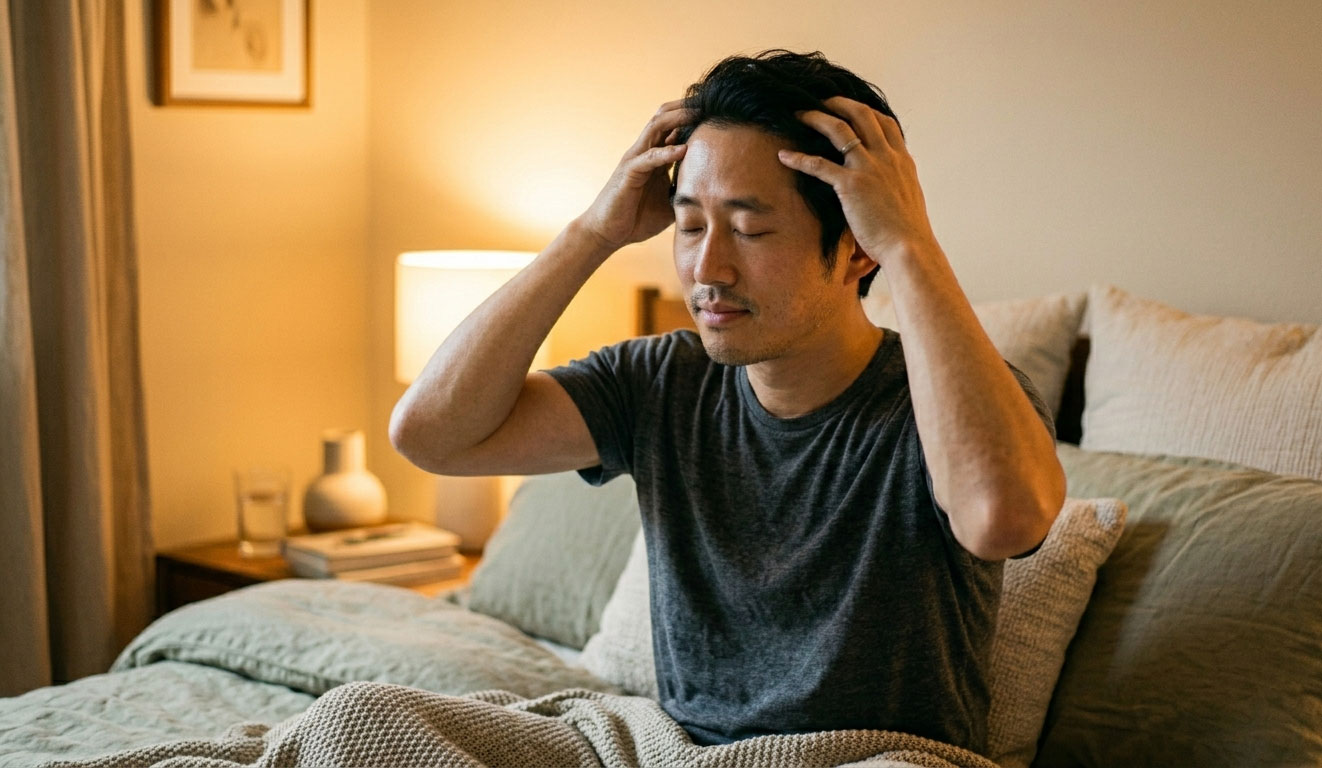
Before Bedtime

While lying down, massage the entire scalp with your fingers for 3 to 5 minutes. Slowly apply pressure in a circular motion from the forehead towards the back of the head. As blood circulation is activated, the supply of nutrients to the hair follicles increases.

When eating

Include at least one protein side dish with every meal. Simply including one of eggs, tofu, fish, or chicken every day is of great help in supplying nutrients to the hair.

두피 관리 일상 루틴 이미지

Conclusion — Hair loss can be delayed as much as it is managed

There are four main reasons for hair loss: genetic factors, stress and hormonal changes, improper scalp care, and nutritional imbalance. While genetics cannot be changed, the other three can be sufficiently managed through lifestyle habits. Proper shampooing methods, scalp massage, stress management, proper nutrition, and sufficient sleep — consistently practicing these five things can slow down the progression of hair loss.

Hair loss does not occur suddenly one day but progresses over a long period of time. Even if there are no immediate noticeable changes, starting scalp care is the wisest choice.

※ The content of this article is for general health information purposes only. If your hair loss symptoms are severe or progressing rapidly, please be sure to consult a dermatologist.