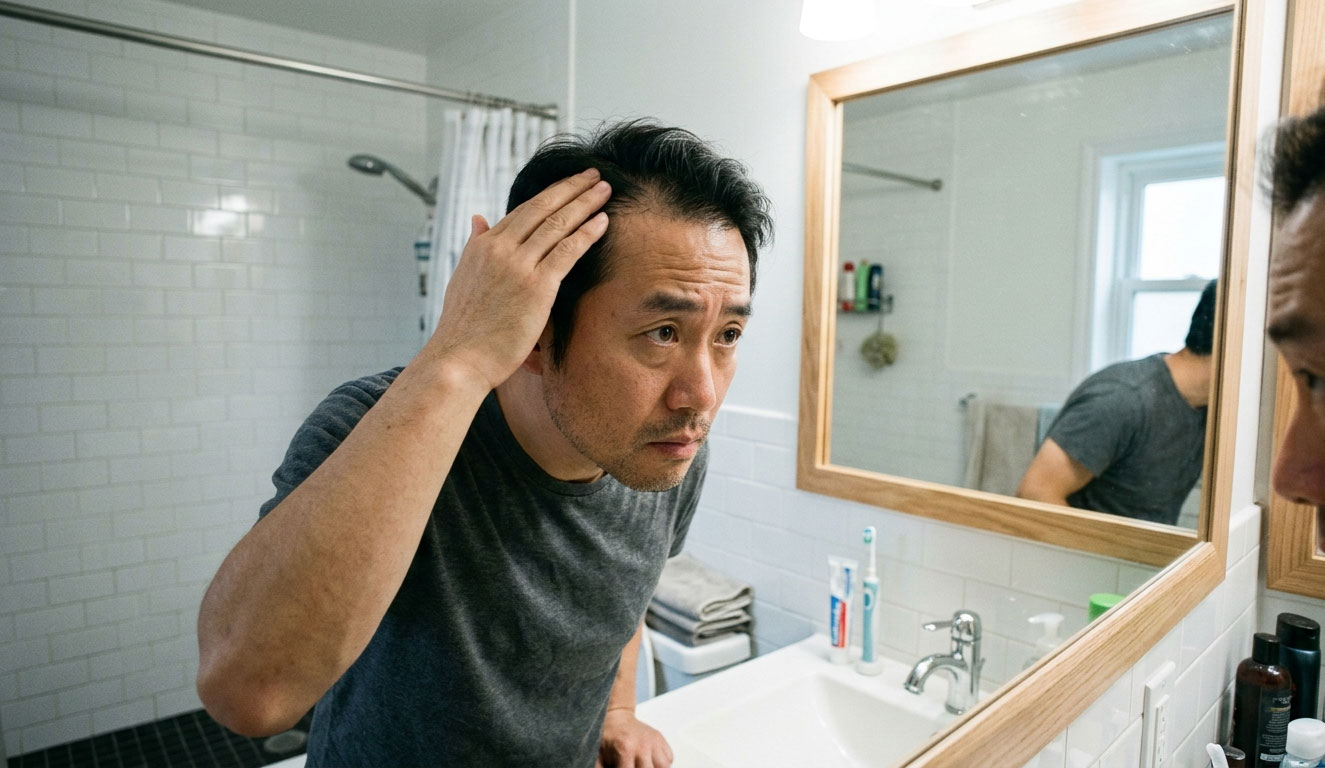
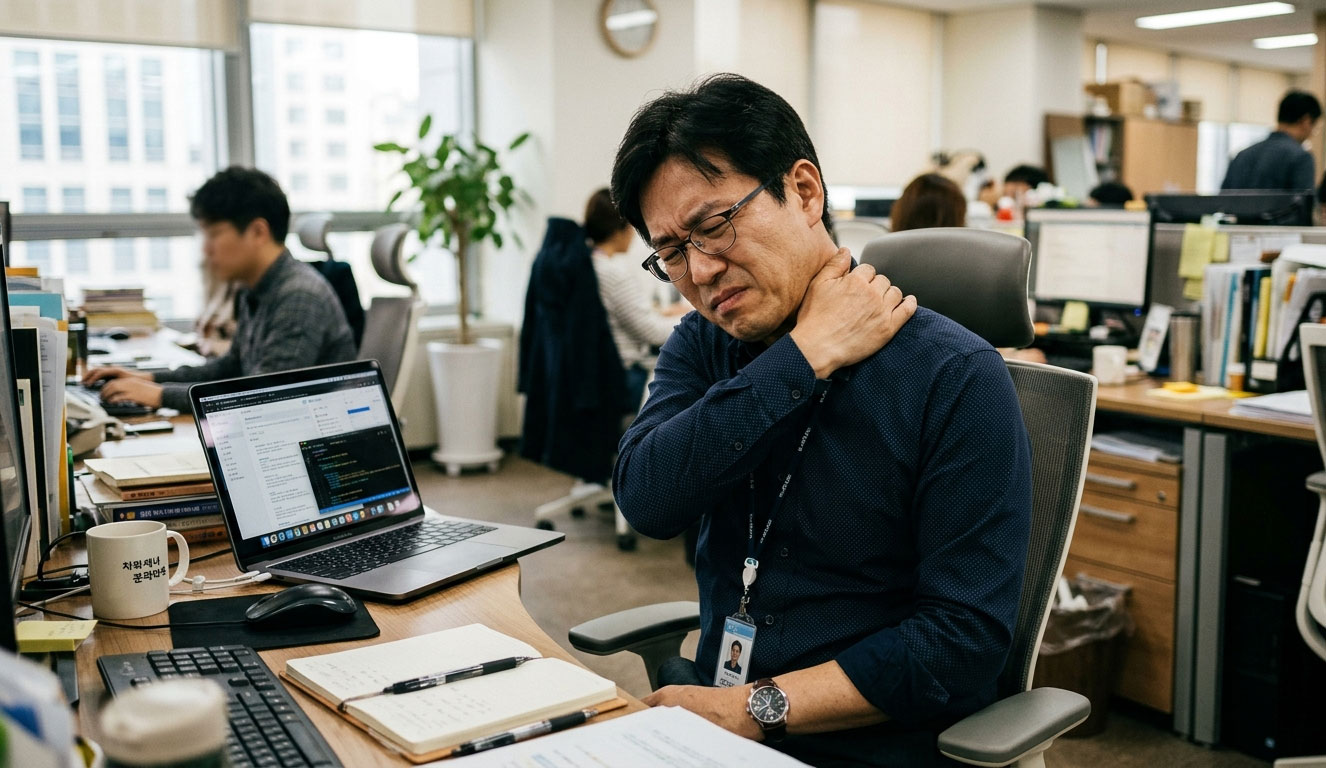
Eyes that stare at screens all day can't possibly be okay. By evening, the eyes feel dry and hot. Text on the screen blurs, and while rubbing the eyes seems to provide temporary relief, the discomfort quickly returns. On severe days, there is even a heavy, pulling sensation inside the eyes. This is the eye fatigue of modern people. People stare at monitors for eight hours at work, look at smartphones on the subway on their way home, and fall asleep watching TV after arriving home. There is not a single moment when the eyes get a rest. As smartphone eye fatigue and screen eye fatigue overlap, the eyes are overworked all day long. Dismissing eye fatigue as simply caused by tiredness can lead to chronic dry eyes and vision deterioration. This article specifically summarizes the causes of eye strain and methods to relieve it.
What is Eye Strain (Asthenopia)?
Medically, eye strain is referred to as 'asthenopia.' It is a condition in which the eye muscles remain in a state of continuous tension, preventing them from functioning properly. It is different from simply feeling sleepy. In many cases, it is not completely relieved even with sleep, and if left untreated, it can be accompanied by headaches, stiff shoulders, and decreased concentration.
Sticky eyes and dry eyes are the most representative symptoms of asthenopia. When looking at a screen, the frequency of our blinking decreases significantly compared to normal. Normal blinking is 15 to 20 times per minute, but it drops to 5 to 7 times per minute when focusing on a screen. Reduced blinking prevents tears from spreading evenly, worsening eye dryness and grit.
There are four main causes of eye fatigue.
There are specific reasons why smartphone and monitor eye fatigue feel particularly severe, not just because of prolonged viewing. If you understand these four causes accurately, the solutions become clear as well.
The first cause — Excessive exposure to blue light
Blue light emitted from smartphones, monitors, and TVs has a short wavelength and high energy among visible light, allowing it to reach the retina directly. While research on whether blue light itself damages the eyes is still debated, several studies have confirmed that blue light increases eye fatigue and suppresses the secretion of melatonin, a sleep hormone. One of the reasons smartphone eye strain feels more severe than TV eye strain is precisely because the distance to the screen is much closer.
Second Cause — Dry Eyes Due to Reduced Blinking
The more you focus on the screen, the less you blink. Tears spread evenly across the entire surface of the eye with each blink, but reduced blinking causes the tear film to become uneven, leading to rapid eye dryness. As dry eyes become severe, symptoms such as a foreign body sensation, stiffness, redness, and in severe cases, blurred vision may appear. Heating in winter or air conditioning in summer further exacerbates dry eyes.
Third Cause — Continuous Tension of Focusing Muscles
Inside the eye, there is a muscle called the 'ciliary muscle' that adjusts the thickness of the lens to focus. When viewing a close screen for a long time, this muscle remains in a contracted state for an extended period, leading to overload. Just as lower back muscles become tight when sitting in the same position for a long time, the ciliary muscle also becomes fatigued by the same principle. This is why the inner corners of your eyes feel heavy and tight, or why you have trouble focusing when looking at distant objects.
Fourth Cause — Inappropriate Screen Environment
If the screen brightness is excessively bright or dark compared to the surrounding environment, if the distance between the screen and your eyes is too close, or if there is severe light reflection on the screen, eye fatigue is exacerbated. Looking at a bright screen in a dark room places a particularly heavy strain on the eyes. If you look at a smartphone for a long time in this state, smartphone eye fatigue accumulates even faster.
How to Relieving Eye Fatigue — Here are 5 Methods That Can Show Immediate Effects Right Now
If you know the cause of eye fatigue, the solution is also clear. The following five methods are ways to relieve eye strain that you can start practicing today without any special tools.
Method 1. Practice the 20-20-20 Rule
This is the eye strain relief method most recommended by ophthalmologists. It involves looking at something at least 20 feet (about 6 meters) away for 20 seconds every 20 minutes. Looking at a distant object relaxes the ciliary muscle, quickly relieving fatigue in the focusing muscles. It becomes much easier to practice if you set a timer or combine it with the Pomodoro technique (25 minutes of focus followed by 5 minutes of rest). Looking at buildings or trees outside a window is sufficient.
Method 2. Consciously Blink Your Eyes
This is the most direct solution for dry eyes and eye stiffness. Make it a habit to consciously blink slowly and completely when looking at a screen. 'Completely' is the key. Incomplete blinking, where you only close and open your eyes halfway, does not help with tear distribution. Simply blinking slowly and fully five times every 1 to 2 minutes can significantly reduce dry eyes.
Method 3. Quickly relieve fatigue with warm compresses around the eyes
Warm compresses are one of the fastest ways to relieve eye fatigue. Placing a towel soaked in warm water over your eyes for 5 to 10 minutes relaxes the muscles around the eyes and activates the meibomian glands (oil glands inside the eyelids), preventing tear evaporation and helping to alleviate dry eyes. Making this a habit after washing your face in the evening can effectively relieve the day's eye fatigue. Using a commercially available heated eye mask makes it even more convenient.
Method 4. Optimizing the Screen Environment
It is recommended to maintain a distance of 50 to 70 cm from your eyes and position the monitor so that the top of the screen is at eye level or slightly below. Adjust the screen brightness to match the surrounding environment and activate blue light blocking mode (night mode). To reduce smartphone eye strain, it is important to maintain a distance of at least 30 cm between the screen and your eyes. Adjusting the monitor's orientation so that window light does not reflect off the screen is also effective.
Method 5. Stretching Around the Eyes
Stretching by closing your eyes and slowly moving your eyeballs up, down, left, right, and diagonally relieves tension in the extraocular muscles (muscles that move the eyes). The 'palming' technique, which involves rubbing your palms together to warm them and gently placing them over your eyes, is also effective for relieving eye fatigue. The principle is to allow your eyes to rest in complete darkness by blocking out light. 2 to 3 times a day, for about 1 to 2 minutes each time, is sufficient.

Eye Health Routine Starting Today
If you know the method but find it difficult to set aside separate time, the most realistic approach is to incorporate an eye health routine into your existing daily habits.
Morning Routine — Preparing Your Eyes
After washing your face, place a towel dampened with warm water over your eyes for 1 to 2 minutes. This is the best way to wake up eyes that have dried out overnight. If you have artificial tears, applying them once in the morning is also helpful.
Daytime Routine — Protecting Your Eyes During Work
Set a timer for the 20-20-20 rule. Simply getting up from your seat after lunch and looking out the window for 1 to 2 minutes can significantly reduce afternoon eye fatigue. You can prevent dry eyes by developing the habit of consciously blinking while looking at a screen. If you are concerned about smartphone eye strain, putting your phone down, at least during lunchtime, is a good idea. If you are curious to learn more about the relationship between smartphones and digital fatigue, I recommend reading 4 Hours Without a Smartphone, My Brain Started Resting.
Evening Routine — Relieving Eye Fatigue
Reduce screen usage starting one hour before bed and relieve the day's eye fatigue with warm compresses. If you tend to have severe dry eyes, instilling artificial tears before bed is also effective. Getting a good night's sleep is the most important factor in recovering from eye fatigue.
If you want to learn more about the relationship between sleep and recovery, I recommend reading Science Proven That Sleep Is the Best Medicine together.
Conclusion — Eyes Need Care Too
There are four main causes of severe eye fatigue: excessive exposure to blue light, dry eyes due to reduced blinking, continuous tension in the focusing muscles, and inappropriate screen environments. If you understand these four factors and improve them one by one, eye stiffness and dryness will decrease noticeably.
The 20-20-20 rule, conscious blinking, warm compresses, adjusting screen settings, eye stretching — none of them are grandiose. Let's start by looking out the window for just 20 seconds after reading this. You need to know how to relieve eye strain to be able to put it into practice. Starting today, let's give our eyes a rest.
※ If symptoms of eye fatigue persist or you notice changes in your vision, please be sure to consult an ophthalmologist.