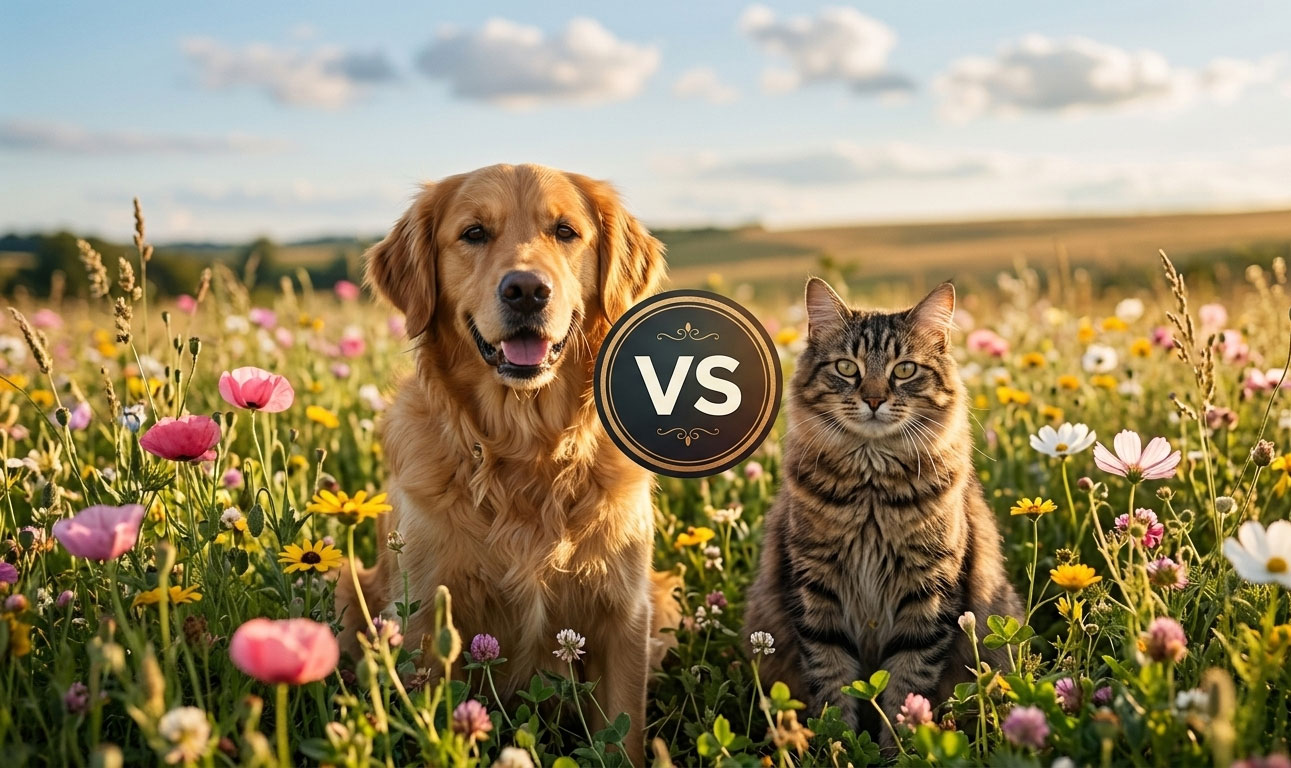
Dogs vs. Cats: A Question More Important Than 'Which Animal Is Better?'
There is a question most frequently asked by people looking to raise a pet for the first time: "Which is better, a dog or a cat?" However, there is actually a much more important question than this: "Which animal fits my lifestyle better?"
The image that dogs are loyal and cats are aloof is closer to a prejudice. Both animals can become precious family members that you will spend over 10 years with. What matters is not which animal is better, but which animal fits your lifestyle and environment better. In this article, we compare the practical differences between dogs and cats and present specific criteria to help you make the right choice.
There are five major key differences between dogs and cats.
Simply comparing the two animals based on personality alone will not help you make a choice. Let's compare them based on five factors that make a difference in real life.
First — Intensity of Coexistence and Methods of Interaction
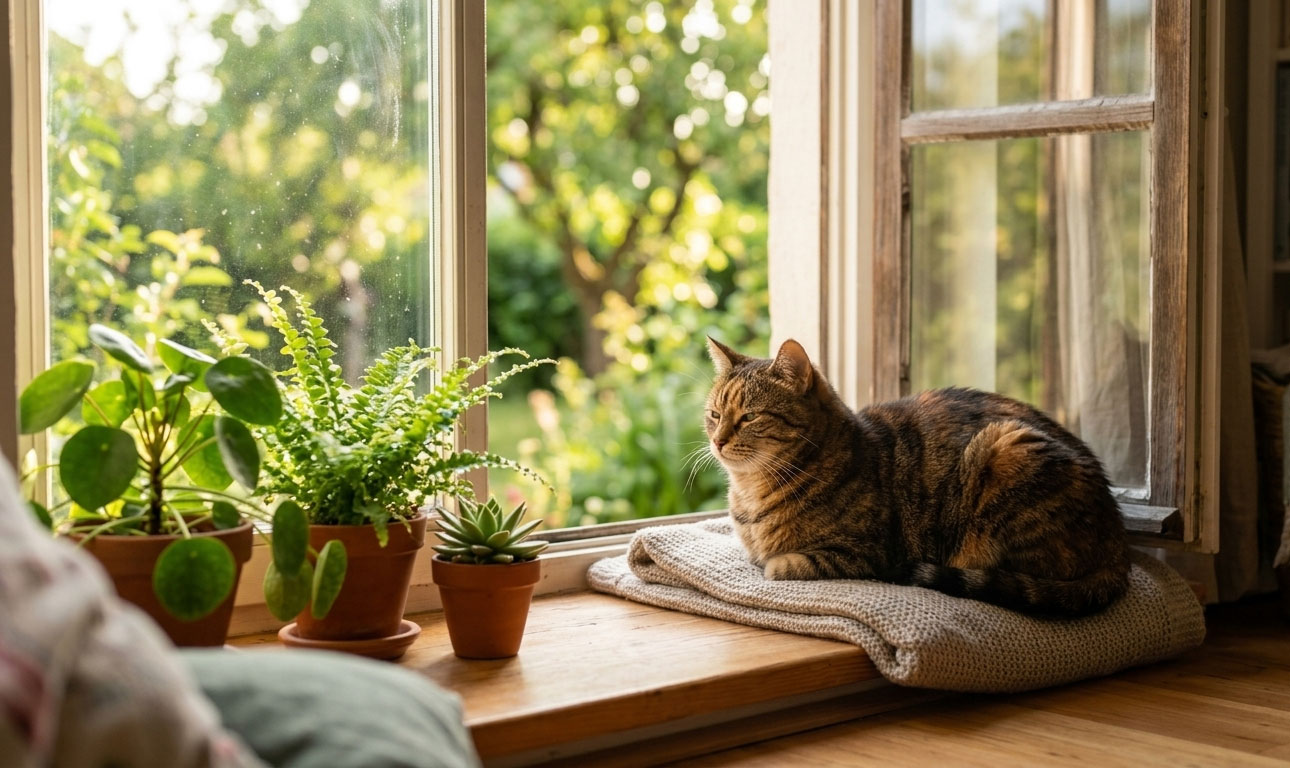
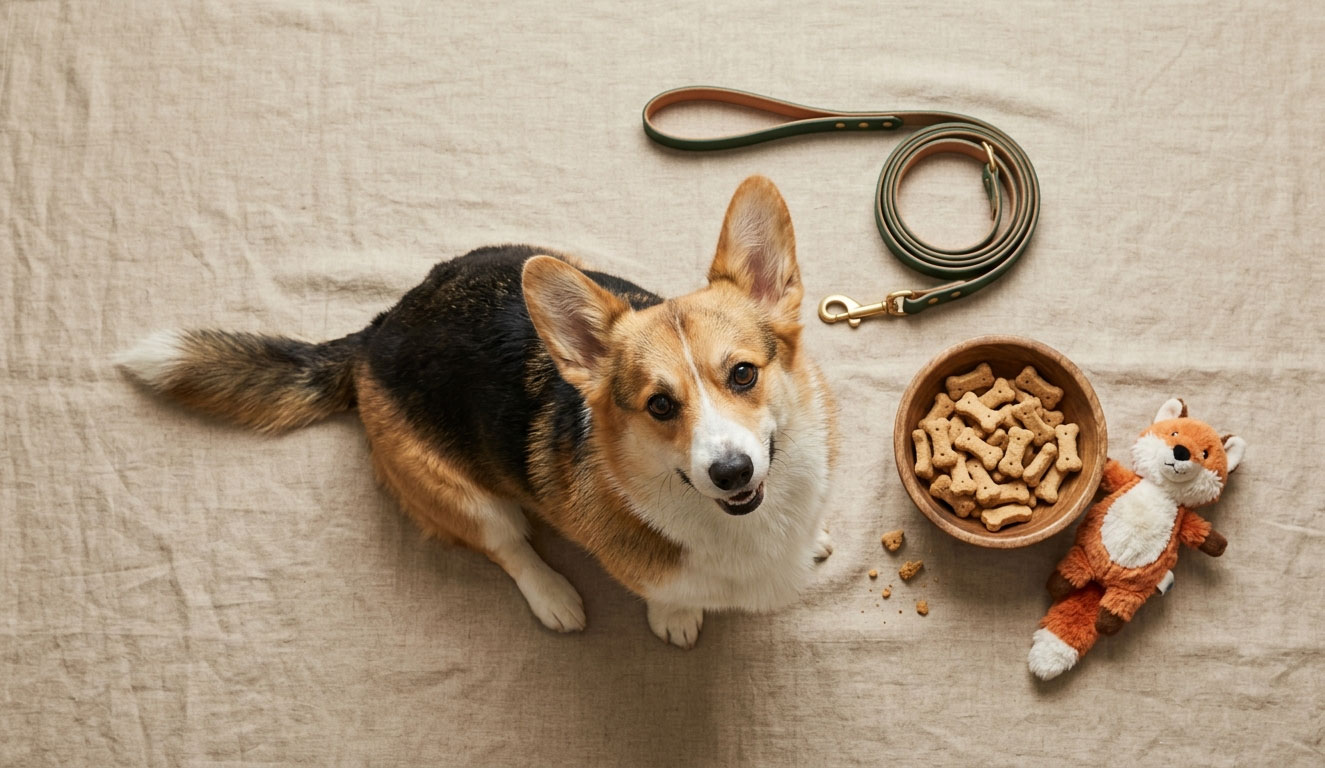
Dogs react with their whole bodies from the moment their owners enter the house. They wag their tails, make eye contact, and want to be together. This active interaction is the biggest characteristic of life with a dog. On the other hand, cats tend to respect their owner's pace. They interact by simply being by their side without forcing anything. Quietly approaching and snuggling up next to you when you sit on the sofa after a busy day is a cat's way of expressing affection.
It is impossible to say which is better. Dogs are a better fit for those who want active interaction, while cats are a better fit for those who want a quiet and comfortable companion.
Second — Owner's Lifestyle Patterns and Time Investment
Dogs need walks once or twice a day. Since prolonged periods of being alone often lead to separation anxiety, this can be a burden for people who are frequently away from home. This is why they are particularly well-suited for remote workers or those who spend a lot of time at home. Cats are relatively independent. They tend to be less stressed even when left alone all day, making them easy to keep by office workers or those who go out frequently. However, you must provide them with their own private space and sufficient environmental stimulation (cat towers, toys, etc.).
Third — Living Environment and Space
Dogs are very active, so a spacious environment is advantageous. A house with a yard or a large apartment is even better. While small dogs can live in a studio apartment, releasing energy through walks becomes more important. Cats adapt well to indoor environments. They can live happily in studio apartments or small apartments. Utilizing vertical space (cat towers, shelves, etc.) allows cats to be active even in small spaces.
Fourth — Monthly Maintenance Costs
For dogs, the main expenses are food and treats (50,000 to 150,000 won per month), walking supplies, and grooming fees (30,000 to 100,000 won per month depending on the breed). For cats, the main expenses are food and treats (50,000 to 120,000 won per month) and litter (20,000 to 50,000 won per month). Grooming costs are relatively low. For both animals, additional costs apply for regular health checkups (1 to 2 times a year) and vaccinations, so it is advisable to consider signing up for pet insurance to prepare for sudden illnesses. If you are curious about the criteria for selecting dog food, referring to How to Read Dog Food Ingredient Labels, and if you are curious about cat food, referring to How to Read Cat Food Ingredient Labels will help you make a wise choice.
Fifth — Training and Socialization
Dogs can be trained, and training is necessary. A dog that has received good basic command training and socialization education will find life with its family much easier. The training process itself can also be a time to strengthen the bond. For cats, adapting to the environment is key rather than training. It is more effective to design an environment where they can naturally learn rules rather than using coercive training. Housebreaking is relatively easy to learn.
Finding the Right Pet for You — Recommendations by Type
Based on the five differences above, the following summarizes which animal is a better fit for which person.
When Dogs Are a Good Match
Dogs are a good match for people who work from home or spend a lot of time at home, or who want to exercise together through daily walks. If you have children and want an animal to play actively with, enjoy active displays of affection and bonding, or live in an environment with a yard or a spacious home, you are more likely to be satisfied with living with a dog.
When Cats Are a Good Match
Cats are a good match for office workers who are away from home for long periods, or who desire a quiet and independent companion. If you want a pet that is sufficiently happy indoors without walks, prefer comfortable, non-forced interaction, or live in a studio or small apartment, a cat is a more realistic choice.
Things You Must Try Before Deciding
If it is difficult to decide based solely on comparing types, the following methods will be of practical help.
Experience It Firsthand at a Neighbor's Pet Owner's Home
Hearing about it and experiencing it firsthand are completely different. If you spend time at the homes of acquaintances who own dogs and those who own cats, respectively, you can realistically determine which lifestyle feels more natural to you.
Imagine Your Life 10 Years from Now
As dogs and cats age, medical costs rise and they require more care. It is important to envision your living environment 10 years from now as much as you are excited about the present. If you want to know in advance how to cope as a guardian when your pet is sick, I recommend reading When a Pet Is Sick, the Guardian's Mind.
Visiting a Shelter
Animals that come to you first when you make eye contact and extend your hand are often your destined partner. I recommend visiting a shelter before deciding to adopt. If you are curious about the overall adoption process and preparations, you can find detailed information at Things You Must Know Before Adopting a Pet.

Conclusion — Whichever choice you make, being prepared to stay together until the end comes first
The differences between dogs and cats can be broadly summarized into five categories: bonding style, time investment, living environment, cost, and training methods. There is no right answer as to which is better. The important thing is to be honest about your own lifestyle patterns and environment.
Dogs express "You are the best" with their whole bodies every day, while cats sit silently beside you and quietly convey their presence. Whichever choice you make, if you are prepared to love the animal until the very end, that is the best choice.
※ Cost and lifespan figures are for general reference only and may vary depending on the individual and environment. Please consult a veterinarian for accurate information.