Summer is a dangerous season for dogs, too
When spending the summer with a dog, you often see them panting from the heat. If it is hot for humans, you naturally worry about how hot it must be for a dog wearing fur. Unlike humans, dogs cannot sweat from their entire bodies. They release heat only through parts of their paw pads and their tongues. Because their ability to regulate body temperature is much lower than that of humans, managing their temperature during the summer is directly linked to their survival.
Every summer, the number of dogs visiting emergency rooms due to heatstroke skyrockets. Most of these incidents occur while owners let their guard down, thinking it will be fine for a moment. The causes include leaving them in a car for a short time, walking them on asphalt in the midday sun, or keeping them in poorly ventilated indoor spaces. In this article, we summarize the problems that dogs face during the summer and health management methods that you can start practicing today.
There are four major problems that dogs face during the summer
Most summer health problems for dogs are preventable. You must first understand what problems arise to properly prevent them.
First — Heatstroke
Heatstroke is the most dangerous emergency for dogs in the summer. If body temperature rises above 40 degrees, organ damage begins, and if it exceeds 41 degrees, life becomes endangered. A dog's normal body temperature is around 38 to 39 degrees. Heatstroke mainly occurs during outdoor activities in the midday sun, when left unattended in a vehicle, or in poorly ventilated spaces. The temperature inside a car can rise to 50 degrees in just 10 minutes when the outside temperature is 30 degrees. You must never leave a dog in a car, even for a brief moment. If panting becomes severe, the dog drools excessively, staggers, or collapses, immediate emergency treatment is required.
Second — Dehydration
Dogs rapidly lose fluids while panting. They need much more fluids than usual in the summer, but if they do not drink enough water, it leads to dehydration. Symptoms of dehydration include dry and pale gums, skin that returns slowly when lifted, and sunken eyes. Severe dehydration can lead to kidney damage, so managing hydration is crucial.
Third — Burns on the Paw Pads
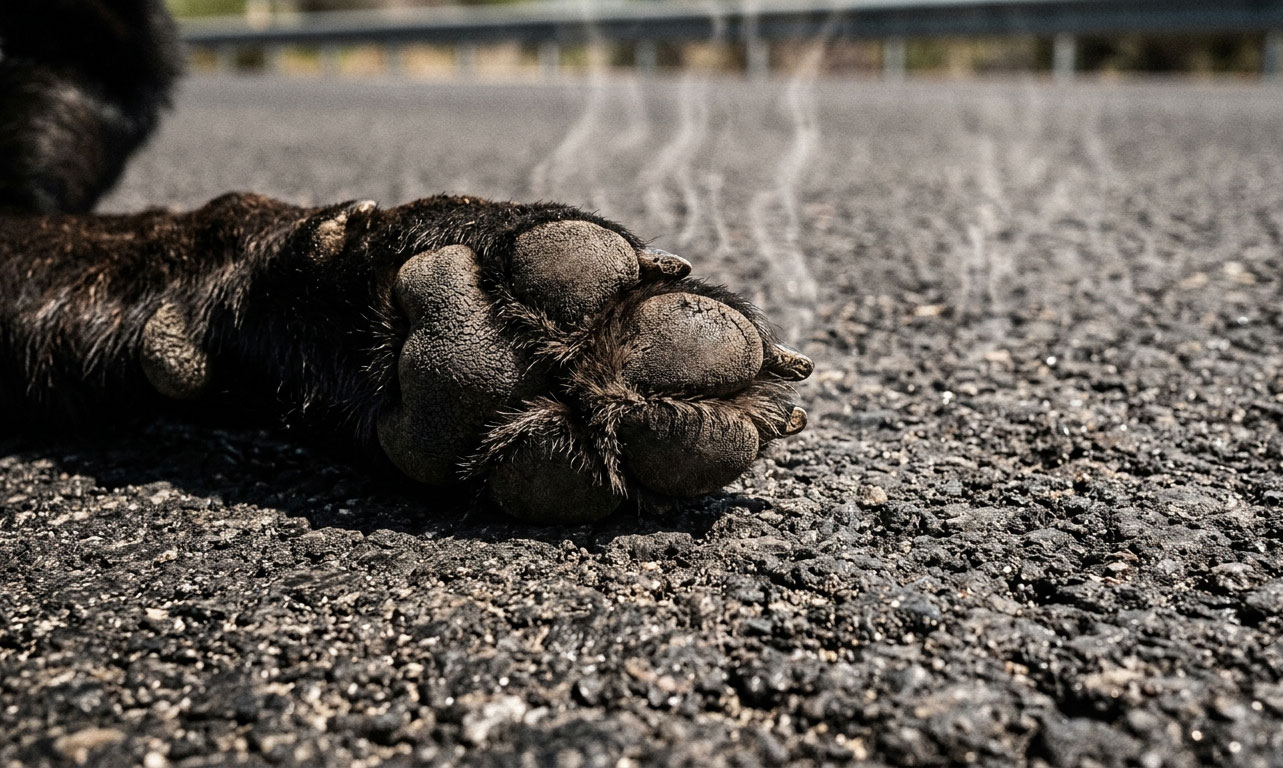
The temperature of asphalt surfaces during the day is much higher than the ambient air. When the outside temperature is 32 degrees, the asphalt surface often exceeds 60 degrees. Dog paw pads are more sensitive to heat than one might think. Walking on hot asphalt can cause the paw pads to turn red, form blisters, or, in severe cases, cause the skin to peel. If you cannot withstand the heat when placing the back of your hand on the asphalt for 5 seconds, it is a temperature that is difficult for a dog to walk on.
Fourth — Food Poisoning and Food Spoilage
In the summer, dog food and treats spoil quickly. Bacteria begin to multiply in wet food if it is left at room temperature for more than 2 hours after opening. Even dry food can spoil in hot and humid environments as fatty acids oxidize. Ingesting spoiled food can lead to symptoms of food poisoning, such as vomiting, diarrhea, and loss of appetite. In the summer, the general rule is to feed small amounts frequently and remove any leftover food immediately.
Heatstroke Emergency Treatment — Just Remember This
If your dog shows symptoms of heatstroke, you must immediately perform emergency treatment in the following order. The "golden time" is critical for heatstroke. The longer treatment is delayed, the more severe the organ damage becomes.
First, move the dog to a cool place immediately. Move it to an air-conditioned indoor area or a shaded spot. Second, wet the body with cool water. Cold water can constrict skin blood vessels, which can actually hinder heat dissipation. It is effective to wet the neck, armpits, and paw pads with lukewarm or cool water. Applying ice water or ice directly is strictly prohibited. Third, provide a breeze using a fan or a hand fan. Fourth, if the animal is conscious and able to drink on its own, give it small amounts of cool water. Forcing it to drink can cause it to enter the airway. Fifth, contact a veterinary clinic immediately while performing first aid. Even if symptoms improve, you must seek veterinary care. If you are curious about how to respond to warning signs of a pet's health problems, I recommend reading When a Pet Is Sick, the Owner's Mind as well.
There are 5 main ways to manage a dog's health during the summer
Heatstroke, dehydration, paw burns, and food poisoning can all be prevented.
You just need to consistently practice the following five things throughout the summer.**Management Method 1. Managing Indoor Temperature and Ventilation**
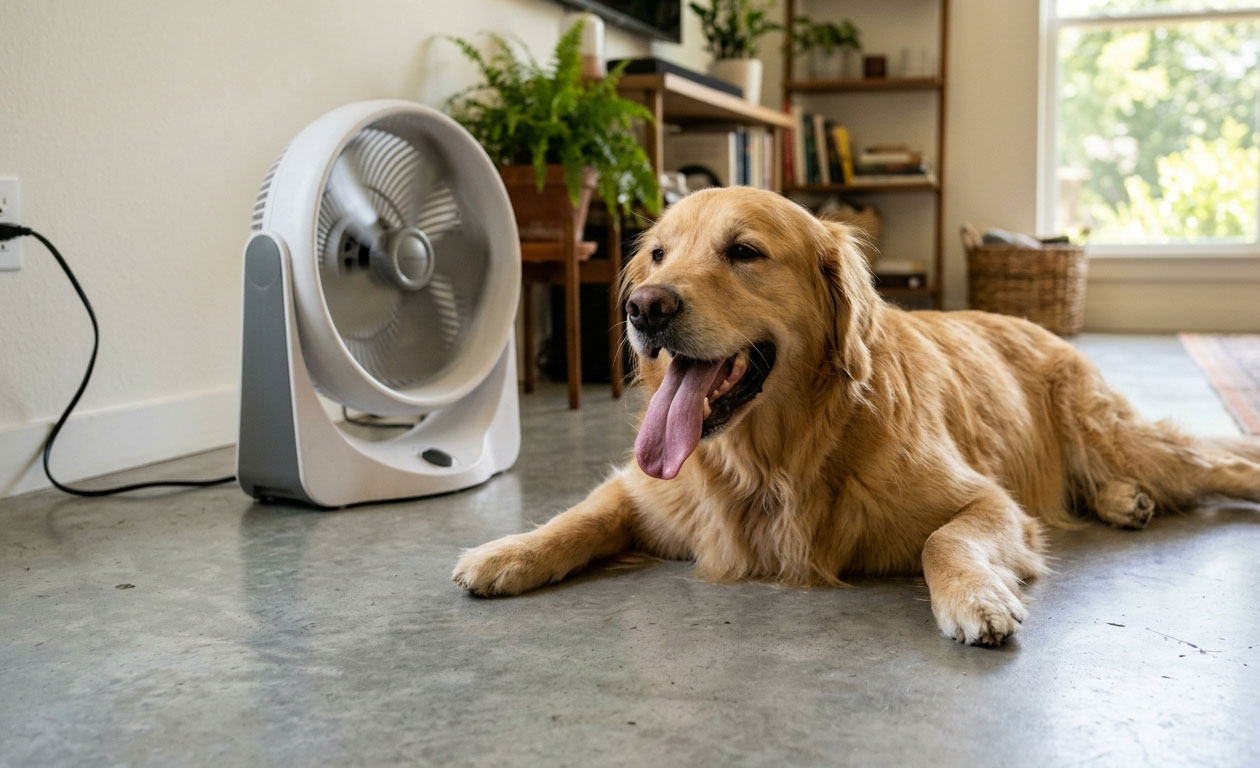
The optimal indoor temperature for a dog to live comfortably is around 22 to 26 degrees Celsius. If you are in an environment without an air conditioner, you should lower the indoor temperature as much as possible by using a fan and ventilation. When using an air conditioner, be careful to ensure the dog is not exposed to the cold air directly. When leaving the dog indoors for an extended period, it is advisable to turn on the air conditioner or fan. You must absolutely avoid placing the dog in a sealed space where ventilation is poor.
**Management Method 2. Hydration**
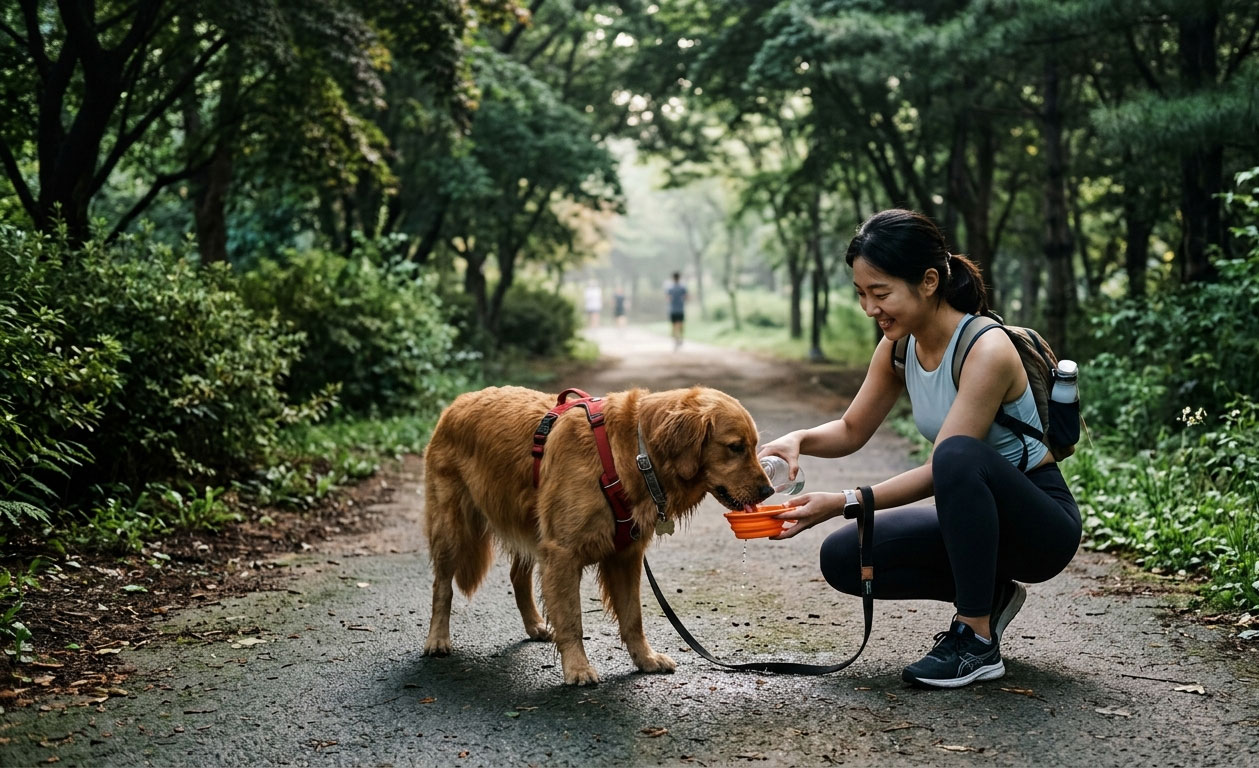
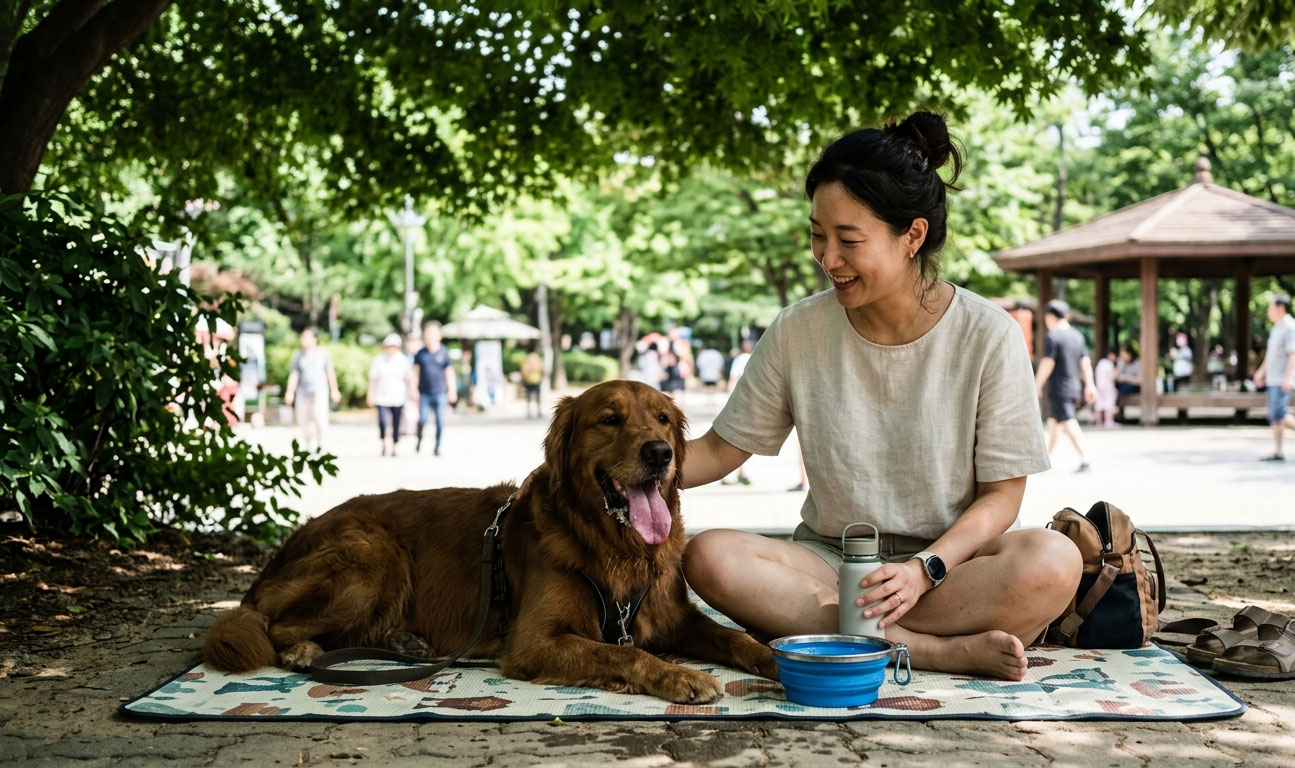
In the summer, place water bowls in various locations around the house so the dog can drink water at any time. Change the water at least twice a day to keep it fresh. Using a fountain-style water dispenser tends to make dogs drink more frequently. When going out, be sure to bring a water bowl and provide water periodically. Giving water-rich snacks such as cucumbers, watermelons (seeds removed), and frozen chicken broth also helps prevent dehydration.
**Management Method 3. Adjusting Walk Time**
**Choosing the right time of day is key for summer walks. Choose a time when the temperature has dropped, such as before 7 AM or after 7 PM. Walking in the middle of the day is a direct cause of heatstroke and paw burns. It is also advisable to keep walk times shorter than usual. If your dog starts panting heavily or tries to stop walking, immediately move them to a cool place to rest. If you are curious about the proper way to walk your dog, I recommend reading The Relationship Between Dog Separation Anxiety and Exercise together.
Care Method 4. Protecting Paw Pads
Get into the habit of checking the asphalt temperature with the back of your hand before a walk. If it is too hot to endure after touching it for 5 seconds, it is a temperature that is difficult for your dog to walk on as well. In such cases, it is best to use a grassy or dirt path, or postpone the walk. Using dog-specific shoes can effectively protect the paw pads. After the walk, washing the paw pads with cool water and applying a moisturizer specifically for paw pads helps with skin health.
Care Method 5. Managing Food and Treats
In the summer, feed small amounts frequently and clean up any leftovers immediately. Wet food should be refrigerated after opening and consumed within 24 hours. Dry food should be stored in a sealed container in a cool, dry place. Treats should also be refrigerated as a general rule. It is also a good idea to make your own frozen treats. Giving frozen plain yogurt and bananas, or frozen chicken broth, as a treat can help relieve heat and replenish fluids at the same time.

Precautions by Breed — Dogs That Require Special Care
While all dogs are vulnerable to heat, there are breeds that require particularly careful management.
Brachycephalic breeds (breeds with flat noses) are at the greatest risk in the summer. This includes Bulldogs, Pugs, French Bulldogs, Shih Tzus, and Pekingese. Due to their airway structure, these breeds have difficulty breathing smoothly, making it harder for them to regulate their body temperature. Since they can develop heatstroke at much lower temperatures than other dogs, outdoor activities should be minimized during the summer. Large dogs also tend to generate more body heat, making them more vulnerable to heat than small dogs. Breeds such as Labrador Retrievers, Golden Retrievers, and Huskies require special care in the summer due to their thick fur. Senior and obese dogs also have reduced thermoregulation abilities, so they need extra attention regarding the heat.

Conclusion — A Dog's Health in Summer Depends on the Owner's Attention
There are four major problems that dogs face in the summer: heatstroke, dehydration, burns on the paws, food poisoning, and food spoilage. Most of these can be prevented with just the owner's attention and small changes in habits. Managing indoor temperature, ensuring sufficient hydration, adjusting walk times, protecting paws, and managing food—you just need to consistently practice these five things throughout the summer.
Dogs cannot express that they are hot. The owner must notice it first and take care of them. Start checking these things one by one starting today so your dog can stay healthy and cool this summer.
※ The content of this article is for general reference only. Please visit a veterinary clinic immediately if symptoms of heatstroke appear.