This post is part of the Coupang Partners program, and a commission is received accordingly.

I feel sorry every time I leave for work

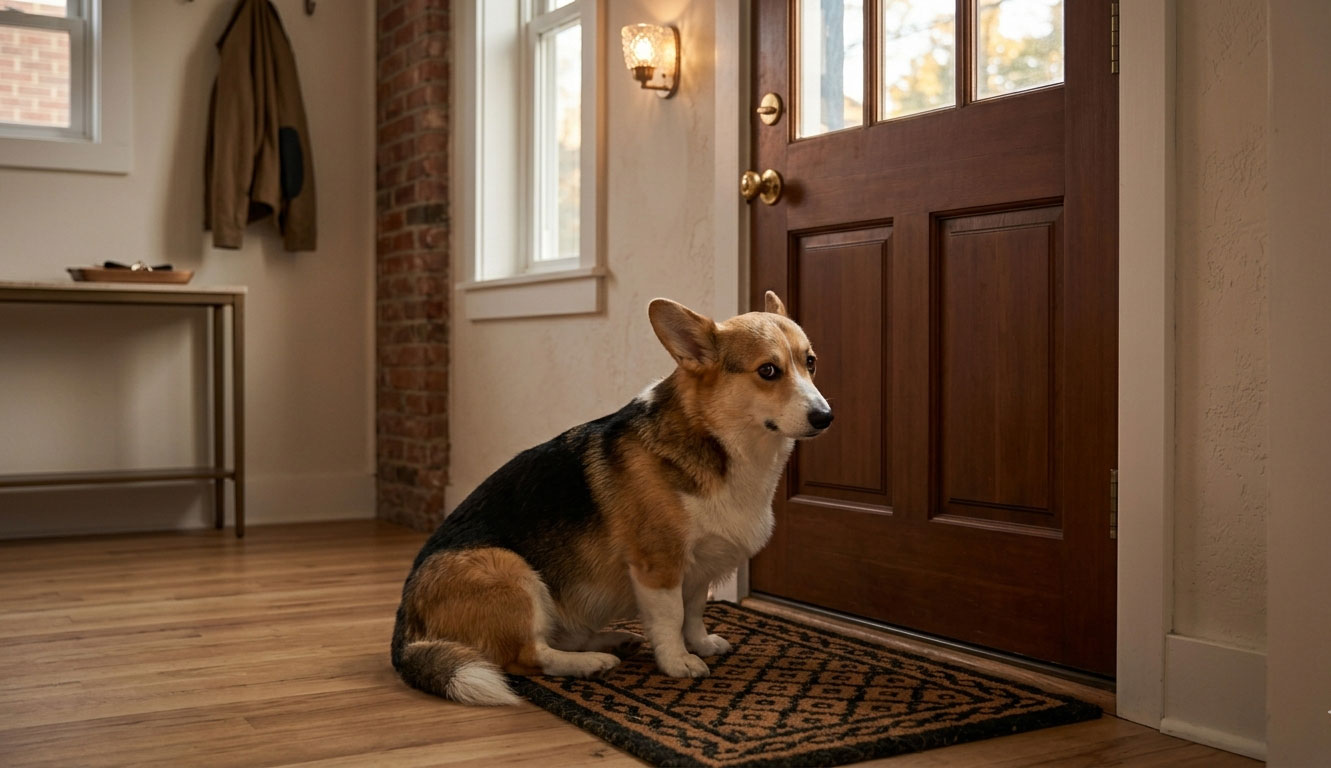
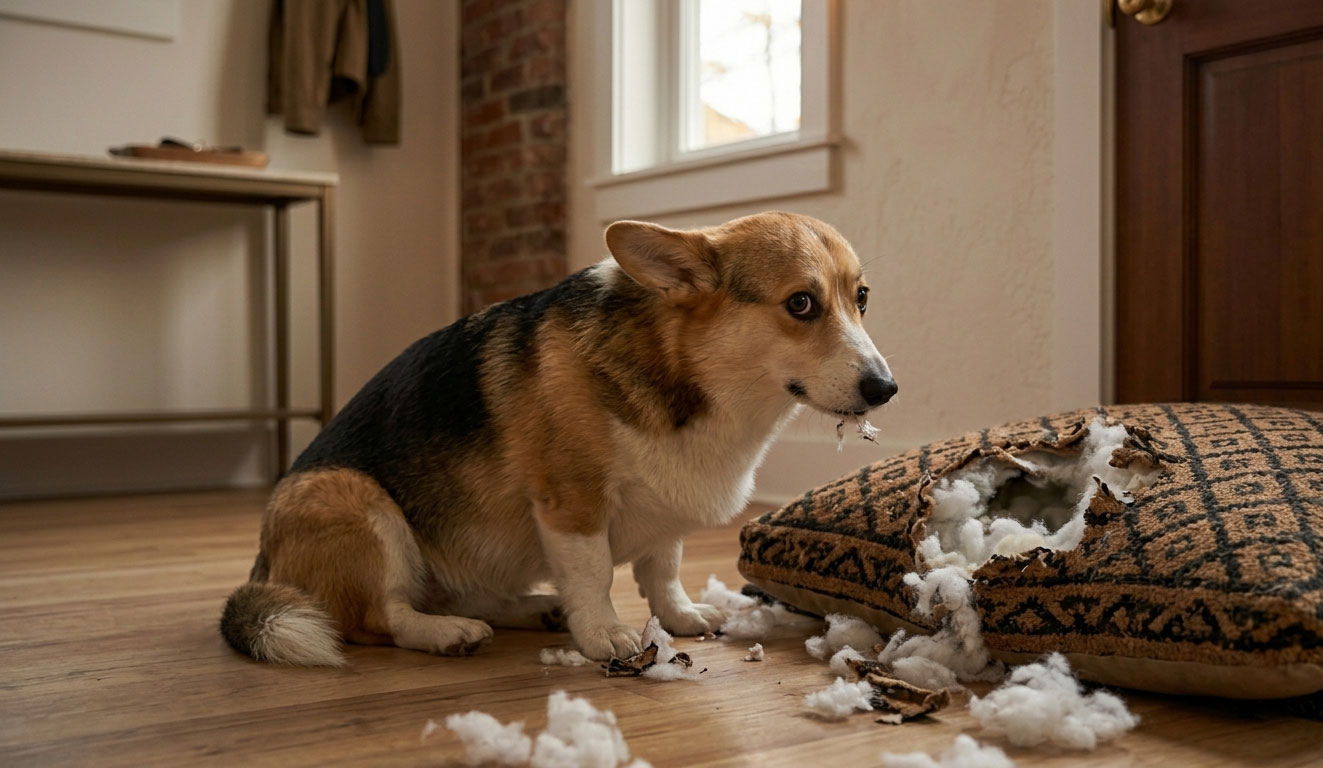
The barking that is heard the moment the front door closes. It continues for a long time, even while waiting for the elevator and after arriving on the first floor. When I return home from work, the trash can is overturned and cushion stuffing is scattered on the living room floor. The dog wags its tail to greet me, but behind that expression lies the time spent alone all day.

This is the typical appearance of canine separation anxiety. Although it is a problem caused by the dog loving its owner too much, if left untreated, it becomes a serious stress for the dog and affects the relationship with the owner. This article summarizes why separation anxiety in dogs occurs, what symptoms appear, and how it can be practically resolved.

Separation Anxiety Is Not a Habit

Many people view a dog barking or destroying objects when left alone as a simple habit. However, separation anxiety is not a habit but a state of psychological instability. It involves experiencing extreme fear and stress in the absence of a guardian; from the dog's perspective, it is not intentional bad behavior but an instinctive reaction to relieve anxiety.

The biggest difference between a habit and separation anxiety is that symptoms appear only when the guardian is absent. If a dog is well-behaved when the guardian is home but begins problematic behavior the moment it is left alone, separation anxiety should be suspected. While it can be resolved through training, an approach that reduces the anxiety itself is required, rather than simple obedience training.

There are three main reasons why dogs develop separation anxiety.

Separation anxiety is caused by a complex interplay of various factors, not just specific breeds or personalities. The solution is only effective if the cause is accurately identified.

The first reason — excessive attachment formation

A lifestyle pattern of always being with the owner is the most common cause of separation anxiety. Dogs raised in environments where they work from home or spend long periods at home, or those who have been with their owner 24 hours a day since childhood, find it more difficult to be alone. While attachment to the owner is natural in itself, a lack of experience in being stable and alone without the owner leads to separation anxiety.

The second reason — lack of experience being alone

If a dog does not experience time alone from a young age, it learns that being alone is dangerous and anxiety-inducing. Separation anxiety often worsens suddenly, especially when you suddenly start going to work after always being by their side during the early stages of adoption, or when you return to your daily routine after a long trip. It is necessary to provide experiences from a young age that help them accept being alone as a natural state.

Third Reason — Environmental Changes and Stress

Environmental changes such as moving, adding a new family member, changes in the owner's lifestyle patterns, or the death of another pet can trigger or exacerbate separation anxiety. Even dogs that were originally fine on their own may suddenly show symptoms of separation anxiety after a major environmental change. In such cases, it is important to give them sufficient time to adapt to the change in environment.

강아지 분리불안 원인 이미지

There are five main symptoms of separation anxiety

To check if your dog has separation anxiety, let's check the following five symptoms. The key criterion for diagnosis is whether the symptoms appear only when the guardian is absent.

Symptom 1. Excessive Barking and Howling

The dog barks or whines continuously from immediately after the guardian leaves until they return. In many cases, this is first discovered through complaints from neighbors. Unlike simple barking, barking caused by separation anxiety is repetitive and does not stop.

Symptom 2. Destructive Behavior

Behaviors such as chewing on cushions, shoes, or furniture, or scratching with claws, appear. In particular, scratching around the front door is a behavior intended to find the guardian. If the dog does not exhibit such behavior when the guardian is present, it is highly likely to be separation anxiety.

Symptom 3. Potty Accidents

Even well-house-trained dogs may have potty accidents indoors when left alone. This is because the ability to control the bladder and bowel deteriorates when anxiety and stress become extremely high. If potty accidents occur repeatedly only when the dog is alone, you should suspect separation anxiety.

Symptom 4. Loss of Appetite

There are dogs that do not eat while their owner is away. Appetite is suppressed in a state of anxiety. If the food bowl remains untouched but the dog starts eating immediately upon the owner's return, it is possible that the loss of appetite is due to separation anxiety.

Symptom 5. Excessive Greeting and Following Like a Shadow

If the dog becomes extremely excited and cannot calm down for a long time when the owner returns, or if it follows the owner even to the bathroom and refuses to be separated for even a moment while the owner is at home, it could be a sign of separation anxiety. While greeting itself is natural, caution is required if it lasts for an excessively long time.

강아지 분리불안 증상 이미지

Solution for Dog Separation Anxiety — Step-by-Step Training Methods

Separation anxiety is not resolved overnight. Consistent training and patience are required. Let's apply the following methods step by step.

Solution 1. Desensitizing to Leaving Behaviors

Behaviors preparing to go out, such as picking up keys, putting on shoes, and carrying a bag, serve as signs of anxiety for dogs. If you repeat these behaviors without actually going out, the dog will gradually become desensitized. If you repeat the actions of putting on and taking off shoes, or picking up and putting down a bag, several times a day, the dog will learn that "this behavior does not necessarily mean the owner is leaving."

Solution 2. Start with Short Separations

Initially, start by leaving the room for just 1 to 2 minutes. Identify the time when the dog is not anxious, and after building successful experiences within that time, gradually increase the duration. If the dog is calm when you return, greet them calmly. If you greet them excessively, it can actually reinforce the idea that the owner's return is a major event, potentially worsening separation anxiety.

Solution 3. Create a Stable Space

It is important to create a safe and comfortable space just for the dog. Placing favorite toys or clothes with the owner's scent in a kennel or designated area helps reduce anxiety when the dog is alone. The key is to create a positive association, viewing this space not as a place of punishment, but as a safe place with good things.

▶ View Dog Kennels on Coupang

Solution 4. Expend Energy with Sufficient Exercise Before Departure

If you expend sufficient energy through a walk or play for at least 30 minutes before going out, the dog is more likely to fall asleep exhausted while alone. Tired dogs tend to exhibit less severe symptoms of separation anxiety. Creating a routine of waking up early in the morning for a walk is effective in the long run.

Solution 5. Fill alone time with bean toys or nose work

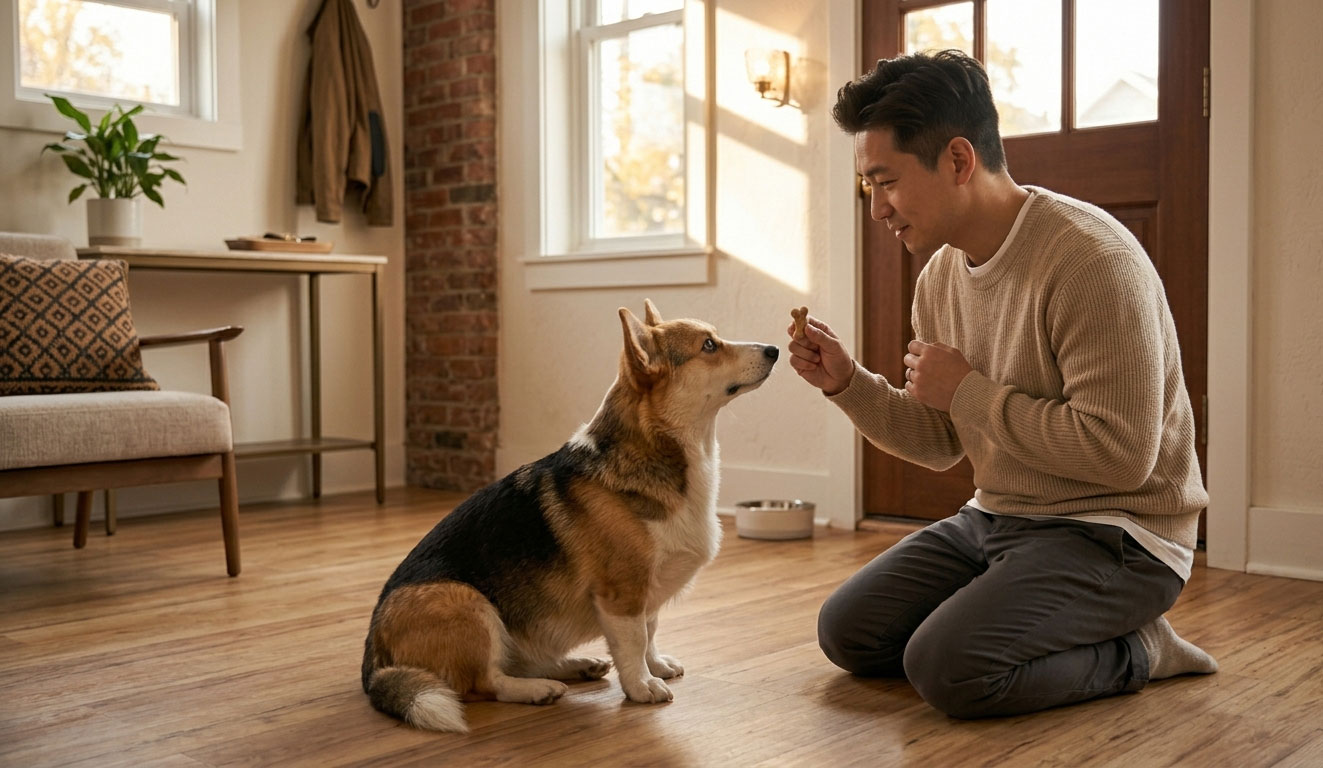
Treat-filled bean toys or nose work mats provide an activity that dogs can focus on while alone. Giving this toy only when going out allows the dog to associate 'the caregiver leaving = getting something good,' which is effective in alleviating separation anxiety.

▶ View Dog Kong Toy on Coupang

▶ View Dog Nosework Mat on Coupang

강아지 분리불안 훈련방법 이미지

In such cases, professional help is needed

If symptoms do not improve or actually worsen despite consistently practicing the methods above, it is advisable to seek professional help. Consulting with a pet behavior specialist or veterinarian can allow you to receive a customized training plan tailored to your dog's condition. In severe cases, medication to reduce anxiety may be administered in conjunction under the judgment of a veterinarian. If your dog suddenly refuses food or exhibits self-harming behavior, you must visit an animal hospital without delay. If you want to learn more about warning signs of your pet's health problems, I recommend reading When a Pet Is Sick, the Owner's Mind.

Conclusion — Separation Anxiety Can Be Cured

There are three main reasons why separation anxiety develops in dogs: excessive attachment formation, lack of experience being alone, and environmental changes and stress. By understanding these causes and approaching the issue step by step, most cases of separation anxiety can be improved.

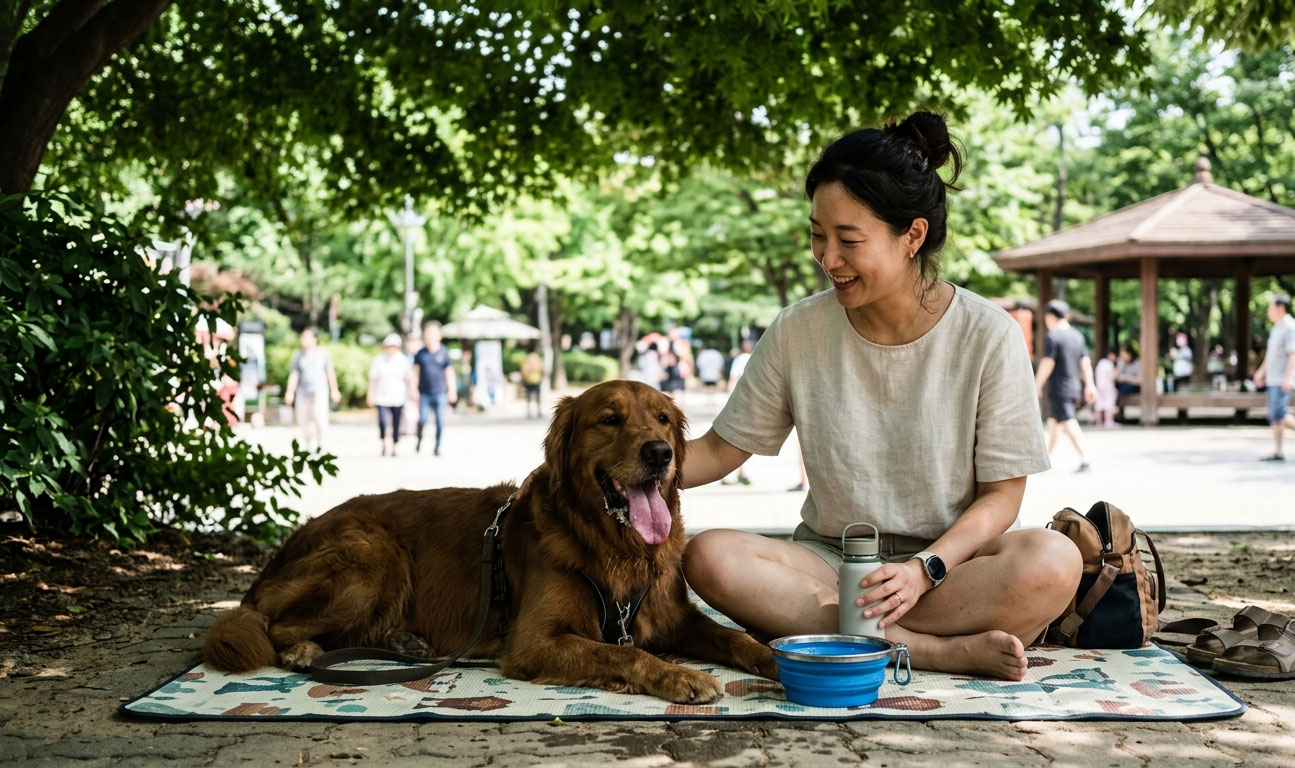
The important thing is that leaving a dog alone does not mean you are a bad owner. True care is helping them spend their time alone in a healthy way. Rather than expecting perfect training from the start, if you build up small successes, at some point a comfortable daily life will be created for both the dog and the owner. If you are preparing to adopt a pet for the first time, we recommend reading Things You Must Know Before Adopting a Pet as well.

※ The content of this article is for general reference only. If symptoms of separation anxiety are severe, please be sure to consult a veterinarian or a pet behavior specialist.