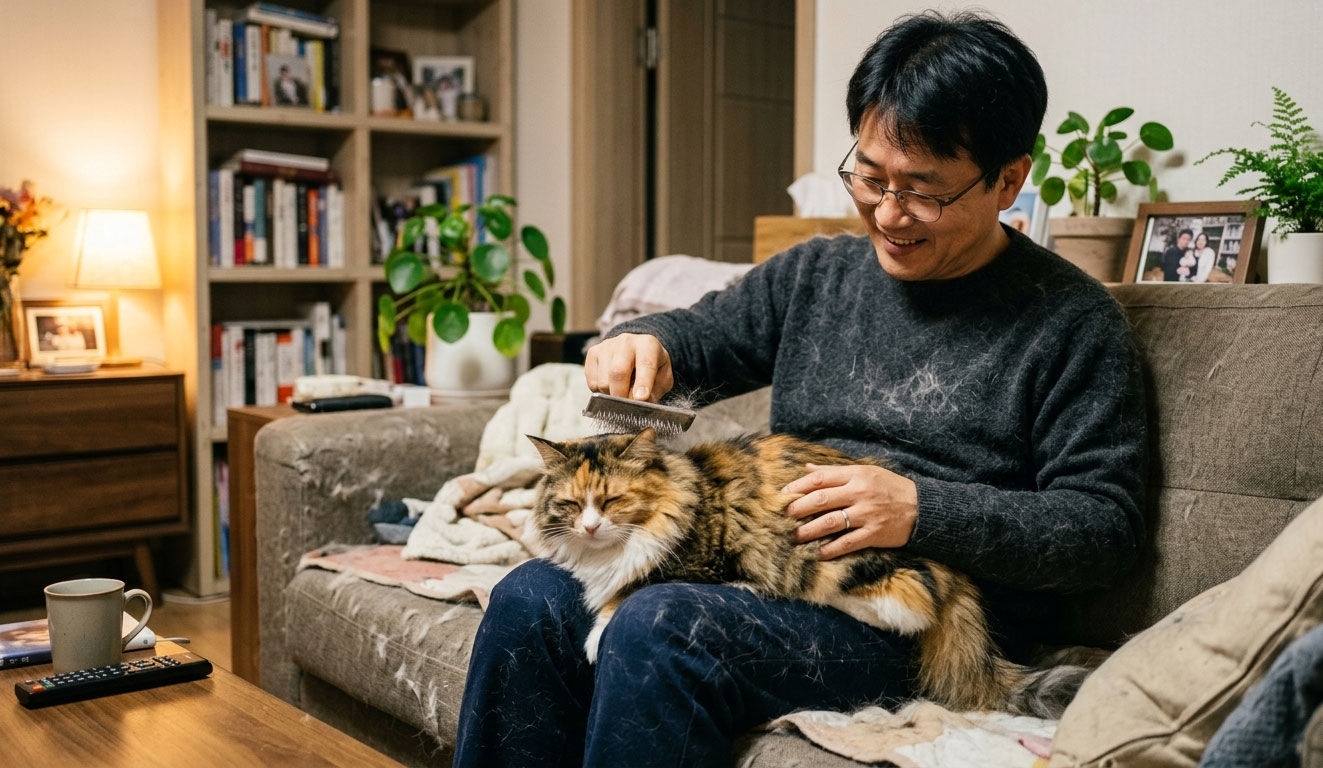
Cat Litter Boxes Are Much More Important Than You Think

One of the things first-time cat owners most often overlook is litter box maintenance. While they meticulously take care of food and water, they often clean the litter box only every few days or choose the type of litter carelessly. However, if a cat does not like the litter box, it may relieve itself outside of it, or in extreme cases, hold its stool, which can lead to health problems.

Cats are instinctively clean animals. This is why, in the wild, they always cover their feces with sand after defecating. An unclean litter box causes extreme stress to cats. Managing the cat litter box is not merely about removing odors; it is a fundamental form of care for the cat's health and psychological well-being. This article provides a comprehensive overview, covering everything from the characteristics of different types of cat litter to cleaning cycles and methods for removing litter box odors.

There are four key points to know regarding cat litter box management.

To properly manage a cat litter box, understanding these four factors—selecting the type of litter, cleaning cycles, the location and number of litter boxes, and odor removal methods—is essential. Let's examine them one by one.

1. Types of Cat Litter — There is a specific type of litter that suits your cat.

When searching for cat litter recommendations, the sheer variety of options can make it difficult to decide which one to choose. Since each type of litter has different characteristics and each cat has different preferences, it is hard to find the right answer at once. Let's compare the representative types of litter and their characteristics.

Bentonite Litter — The Most Popular Choice

Bentonite is a type of litter made from clay minerals and is the most widely used cat litter in Korea. It is easy to manage because it hardens upon contact with urine, allowing it to be removed in clumps. It has weight to it, so less sand flies when the cat scratches with its paws, and it is also highly effective at odor removal. However, since it is heavy and tends to generate a lot of dust, caution is required for cats with weak respiratory systems or for their owners. Due to its excellent performance relative to its price, it is the number one recommended cat litter for first-time cat owners.

Tofu Litter — Eco-friendly and safe even if swallowed by cats

Tofu litter is made from plant-based ingredients such as soybean pulp. Its biggest advantage is that it is relatively safe because it is made of natural ingredients, even if a cat swallows the sand while grooming. It is lighter and produces less dust than bentonite, reducing concerns about respiratory issues. It is convenient to dispose of as it can be flushed down the toilet, and it is eco-friendly. However, it has weaker clumping power than bentonite and is susceptible to moisture, so mold may grow if maintenance is neglected. Among recommended cat litters, it is particularly suitable for sensitive cats or young kittens.

Silica Gel Litter — Best Odor Removal Performance

Silica gel litter works by absorbing moisture to eliminate odors. Since it absorbs urine rather than solidifying it, no clumps form, so urine removal is handled through regular replacement. It offers the best odor removal performance among the three types and is economical due to its long lifespan. However, the texture is rough against a cat's paws, so sensitive cats may show resistance. It is especially recommended for owners sensitive to smells or in environments where ventilation is difficult.

고양이 모래 종류 이미지

2. Cleaning Frequency — How Often Should You Clean It?

The cleaning frequency for a cat litter box varies depending on the type of litter and the number of cats, but there are basic principles. If cleaning is done too infrequently, the cat may refuse to use the litter box or become stressed. Conversely, if you clean too often, the cat's natural scent may completely disappear, causing it to no longer recognize the area as a litter box.

Daily Cleaning — Immediate Removal of Feces

The principle is to remove feces as soon as they are discovered. Cats often dislike litter boxes that still retain the smell of previous feces. In particular, disposing of feces quickly is the most effective way to eliminate litter box odors. For bentonite or tofu litter, it is also appropriate to remove urine clumps 1 to 2 times a day.

1 to 2 Times a Week — Replenishing Sand and Partial Replacement

Removing urine clumps daily will reduce the amount of sand. You must maintain an appropriate depth (5 to 7 cm) so that the cat can scratch the sand sufficiently. If there is insufficient sand, the cat will become stressed because it cannot properly cover its feces.

1 to 2 Times a Month — Complete Replacement and Litter Cleaning

Discarding the entire litter and cleaning the litter box container is appropriate once or twice a month. It is better to wash with hot water or use baking soda rather than detergent. Strongly scented detergents can cause cats to avoid the litter box. It is recommended to completely replace silica gel litter every 2 to 4 weeks.

고양이 화장실 청소법 이미지

3. Litter Box Location and Number — Surprisingly Important Environmental Settings

The standard number of litter boxes is the number of cats + 1

If you raise one cat, the minimum is 2 litter boxes; if you have two, 3 is the standard. Cats often relieve themselves in separate litter boxes. If there is only one litter box, cleanliness will drop quickly, and the cat will become reluctant to use it.

3 Principles for Location Selection

First, it should be placed in a quiet location where privacy is guaranteed. It is best to avoid passageways frequently visited by people or next to noisy appliances. Second, it should be placed far away from the food bowl. Cats instinctively try to separate their eating area from their defecation area. Third, it is best to place at least two litter boxes in different spaces. There must be an alternative if one litter box becomes contaminated or difficult to access.

4. Removing Litter Odors — When Sand Alone Is Not Enough

No matter how good the cat litter is, litter box odors cannot be avoided if maintenance is neglected. Here are some practical methods for odor removal.

Ventilation is the Most Basic Step

It is important to ventilate the space where the cat litter box is located at least once a day. In a closed space without ventilation, it is difficult to completely solve the odor problem regardless of the type of litter used.

Using Baking Soda

When changing the litter, spreading a thin layer of baking soda on the bottom of the litter box before pouring the sand on top can enhance the odor removal effect. Since baking soda is a natural ingredient, it is relatively safe for cats. However, caution is needed as strong-scented air fresheners or deodorizers can cause cats to avoid the litter box.

Consider a Closed Litter Box

If the odor problem is severe, switching to a closed litter box with a lid is an option. However, some cats may dislike enclosed spaces, so an adjustment period is necessary. It is best to help them get used to it by leaving the lid open initially and gradually closing it.

고양이 화장실 냄새 제거 방법 이미지

When Your Cat Refuses the Litter Box — Watch Out for These Signs

If your cat suddenly defecates outside the litter box, it may not be just a simple habit issue. Check the following cases.

Litter Box Environment Issues

The cause could be that the litter is dirty or insufficient, the location of the litter box has changed, or the type of litter has suddenly changed. When changing litter, it is best to gradually transition by mixing the old litter with the new one.

It Could Be a Health Problem

If litter box refusal begins suddenly, it could be a sign of urinary or digestive problems such as cystitis, urinary stones, or constipation. Male cats, in particular, show symptoms such as frequently sitting down and standing up in the litter box or urinating in small amounts frequently when they develop urinary tract problems. If you observe these symptoms, you should visit a veterinary clinic without delay. If you are curious about more signs of your pet's health issues, we recommend reading When Your Pet Is Sick together.

Comparison of Litter Types at a Glance

If you are still unsure which litter to choose, you can select based on the following criteria. Bentonite is suitable for first-time cat owners or those looking to reduce costs; tofu litter is ideal for young kittens or cats with health issues; and silica gel litter is the top priority if odor control is your top priority. Regardless of the type of litter, as long as your cat uses it without rejecting it, that is the right choice. Since preferences vary from cat to cat, it is recommended to test small amounts first. If you are curious about choosing cat food, which is directly related to your cat's health, referring to How to Read Cat Food Ingredient Labels will also be helpful.

Conclusion — A Clean Litter Box Makes a Healthy Cat

There are four main points to managing a cat's litter box: selecting the right litter for your cat, maintaining a regular cleaning schedule, ensuring the appropriate location and number of litter boxes, and effective odor removal. If you follow just these four things, the stress your cat experiences due to litter box issues will be significantly reduced.

A cat's litter box is not merely a matter of hygiene; it is directly linked to your cat's health and happiness. Let's check the cleaning frequency and the condition of the litter today. A clean litter box makes for a healthy cat.

※ The content of this article is for general reference only. If bowel abnormalities persist, please be sure to consult a veterinarian.