Things I Didn't Know Before Raising a Cat
Before I raised a cat, I thought I was a pretty decent adult. After all, I ate on time, slept well, and managed to get my work done reasonably well. But after a cat came into the house, I began to see daily life from a completely new perspective. No one taught it, but the cat already knew. The truly important things.
Living with a pet is not simply a continuous cycle of caregiving. As small daily scenes accumulate, you realize at some point that you are actually the one learning. This article is a story about five attitudes toward life that I naturally learned during my time with my cat.
Here are five main things my cat taught me
It doesn't have to be a grandiose philosophy book. Sometimes, the things silently shown by a small being by your side every day resonate much more deeply. I am summarizing the five things I learned while living with a cat, one by one.
First — If you don't like something, you can just leave.
If a cat doesn't like something, it simply leaves. It might suddenly slap your hand away and disappear while you're petting it, or sit in front of its food for a long time and then just turn around. It doesn't walk on eggshells. It doesn't explain. If it wants to stay, it stays; if it wants to leave, it leaves.
Watching that, I was reminded of myself, sitting in a spot I disliked with a smile. I was taught that staying in a place in an uncomfortable situation is the mature thing to do, but I never really thought about how that place affected me. In psychology, the ability to recognize one's own emotions and act accordingly is called 'self-regulation.' Cats practice this instinctively.

Second — There are moments when a single ray of sunlight is enough.
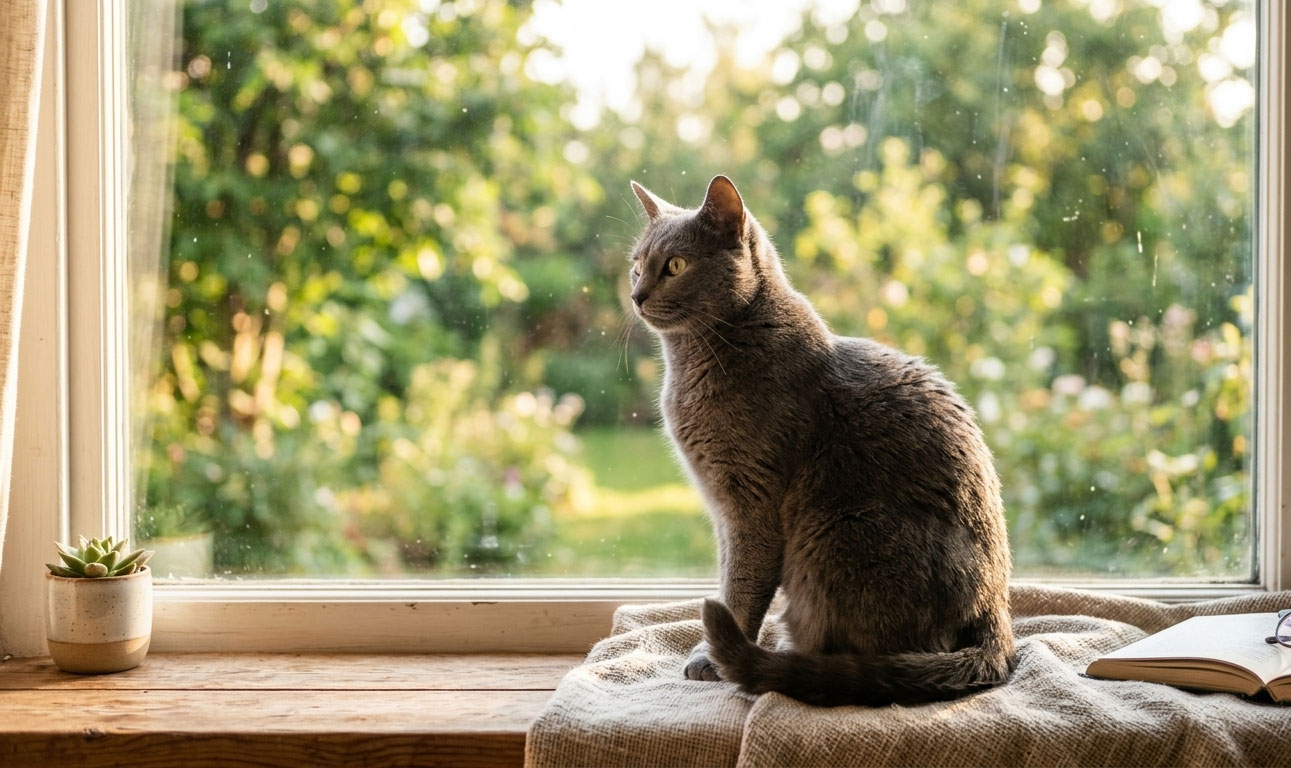
The moment a cat looks happiest is not in front of an expensive toy. It is when I am lying in that spot by the window where the sunlight streams in perfectly. Squinting my eyes, stretching my body out, I am fully present in that moment. That scene, devoid of anything special, looks the most peaceful.
Watching that, I naturally began to think. What did I feel was enough for me today? While wanting more is not a bad thing, I realized for the first time through my cat that I lacked the time to recognize what I already possess. This is the simplest form of 'Mindfulness' in psychology.
Third — Getting enough rest is recharging.
Cats sleep 12 to 16 hours a day. At first, I wondered if it was okay for them to sleep like that. However, if you look at the cat's eyes after it wakes up, they are completely different. They sparkle, are focused, and overflowing with energy. Every day, they show me right before my eyes what state a body in after sufficient rest is in.
According to sleep research, humans also experience a decline in concentration, immunity, and emotional regulation when they lack sleep. The sufficient sleep that cats instinctively seek is, in fact, the most basic and important means of recovery for humans as well. If you want to learn more about sleep and fatigue recovery, I recommend reading Science Proven That Sleep Is the Best Medicine together.

Fourth — You Just Have to Express It When It Wants
When I am working on my laptop, my cat invariably climbs onto the keyboard. It is no use saying I am busy. It just sits down and starts kneading. At first, it felt like a nuisance. But one day, it suddenly started to look different to me. I realized that this cat wanted to come to me. Without a word, without an explanation, it just came.
A cat's way of expressing affection is different from a human's. Kneading, slow blinking, rubbing against—these are all ways cats express trust and affection. I learned from cats that this simplicity—expressing when they want to express and going when they want to go—actually makes the relationship clearer.
Fifth — Waiting Means Believing
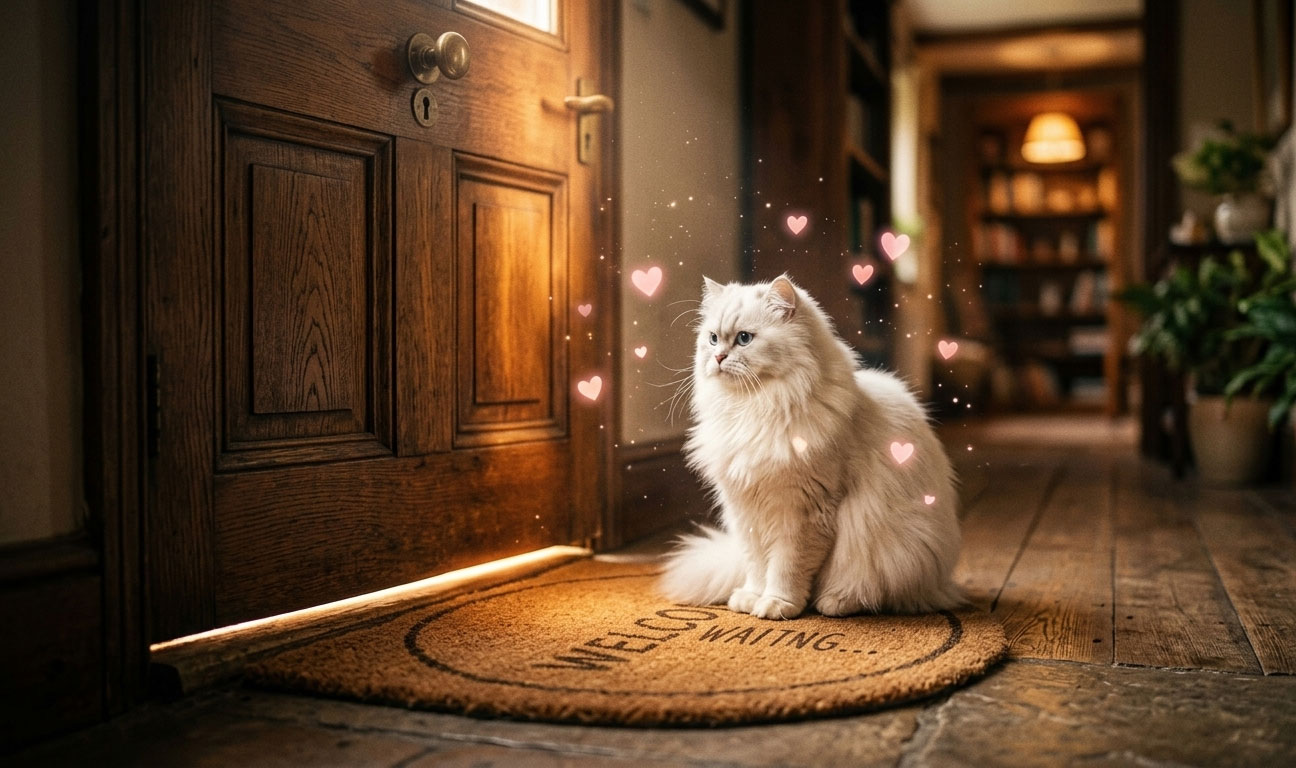
When I return home from work, there is a cat waiting at the front door. It doesn't greet me with much enthusiasm. But it is there. It gently rubs against my feet and walks toward the food bowl. I cannot tell if it is asking for food or if it has noticed my return, but that single scene quietly melts away the day's fatigue.
Waiting is only possible when there is faith that the other person will return. The fact that this small being trusts me and is waiting strangely makes me want to live better. The emotional impact that pets have on their owners has actually been proven through research. Representative benefits include reduced loneliness, lower stress hormones, and alleviation of depression.

The Impact Pets Have on Life — More Than Just an Emotional Bond
Living with a cat is more than simply having a cute animal by your side. It establishes a daily care routine, helps you wake up without a timer, and gives you a reason to return home. These small changes create a rhythm of life, and that rhythm creates psychological stability.
According to research, people who live with pets tend to have lower blood pressure and cortisol (stress hormone) levels than those who do not. A cat's grooming sound (purring) vibrates at a frequency of 20 to 140 Hz, and there are also research findings suggesting that this frequency range helps with bone and muscle recovery. This means that cats can provide tangible health benefits beyond mere emotional comfort.
If you are considering adopting a cat for the first time, referring to Things You Must Know Before Adopting a Pet will be helpful. If you are debating whether a dog or a cat is right for you, referring to Dog vs. Cat: Which Pet Is Right for Me? will be helpful.

Conclusion — Things Conveyed Without Words
The cat says nothing today, too. However, it teaches me something every day. That it is okay to leave if you are not satisfied, that there are moments when a single ray of sunlight is enough, that getting enough sleep is not laziness, that you can express yourself when you want, and that waiting means believing.
Life with a pet is a continuous cycle of care, but at the same time, it is also a continuous cycle of learning. Thanks to this small and proud teacher, I am spending another slightly better day today.