Is it normal for a cat to shed this much hair?
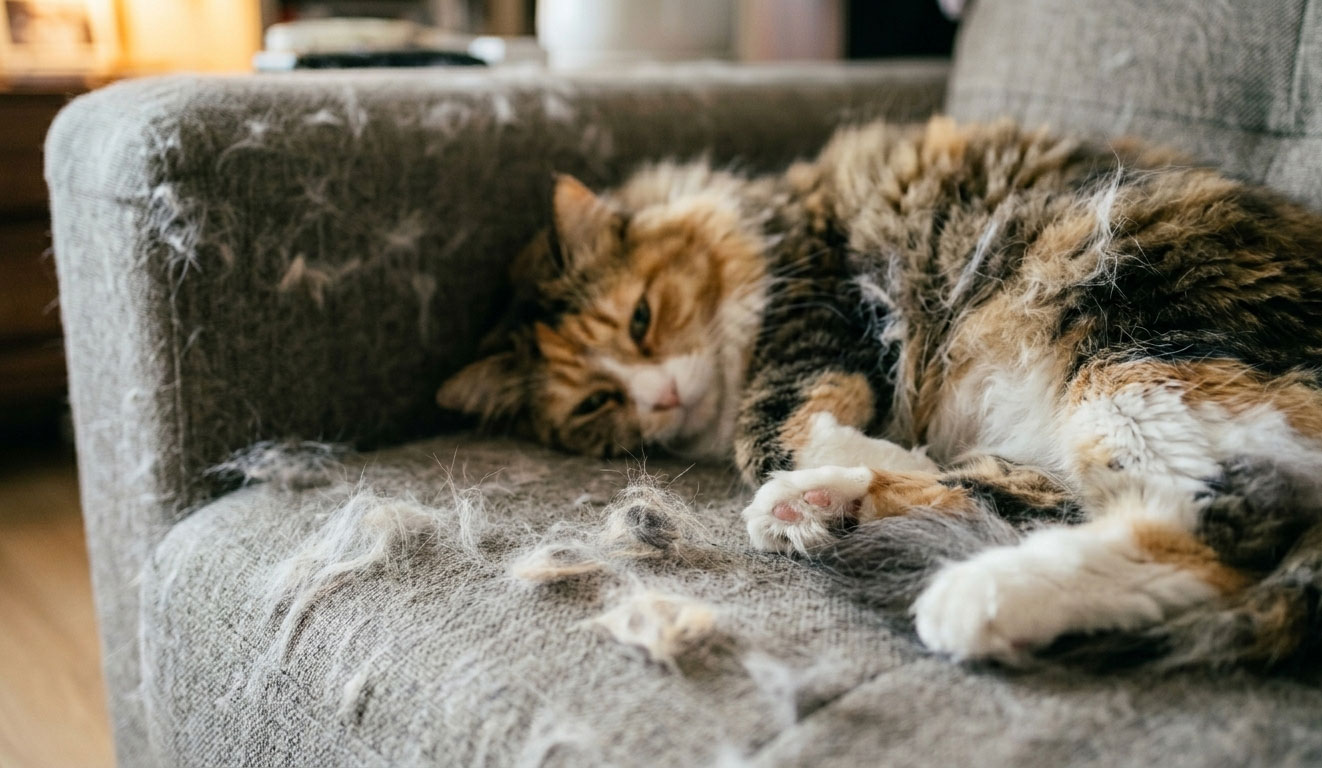
When you sit on the sofa, hair sticks to your clothes, and even if you vacuum, the floor is covered in hair again the next day. If you are raising a cat for the first time, you may worry whether this amount of shedding is acceptable. To start with the conclusion, cat shedding is a natural physiological phenomenon. However, you must be able to distinguish between normal and abnormal depending on the amount and timing.
Cats have a much higher hair density than dogs. There are even breeds that grow hundreds of hairs per square centimeter. This large amount of hair repeats the process of periodically shedding and growing back. The problem is that this hair accumulates throughout the house, but knowing how to manage it can make the issue much easier to resolve. This article summarizes everything from the causes of cat shedding to intensive management methods for shedding cycles.
There are three main reasons for cat shedding.
You must accurately understand the causes of cat shedding to apply the correct management methods. While there is no need to worry simply because a lot of hair is shedding, the approach varies depending on the cause.
The first reason — Shedding cycles (Spring/Autumn)
The most common cause of cat shedding is shedding cycles. In spring, thick winter fur sheds and is replaced by thin summer fur, while in autumn, the opposite occurs: summer fur sheds and winter fur grows. During this period, it is normal for hair to fall out 3 to 5 times more than usual. Shedding cycles typically last 2 to 4 weeks, and cats that live exclusively indoors tend to shed a little bit throughout the year. Indoor cats, which have difficulty sensing seasonal changes because they react to variations in sunlight and temperature, may experience irregular occurrences of hair loss.
Second Reason — Stress and Health Issues
In stressful situations such as moving, adding a new family member, or changes in lifestyle patterns, cats often exhibit symptoms of sudden, heavy hair shedding. In many cases, excessive grooming caused by stress accelerates hair loss. If hair loss is concentrated in specific areas or if the fur disappears to the point where the skin is visible, you should suspect health issues such as allergies, skin diseases, or thyroid problems. In such cases, it is important to visit a veterinary clinic to identify the cause. If you are curious to learn more about warning signs of your pet's health problems, I recommend reading When a Pet Is Sick, the Owner's Mind as well.
The Third Reason — Nutritional Imbalance
The quality of the food directly affects coat health. If protein and omega-3 fatty acids are lacking, the fur becomes dry and brittle, and shedding increases more than usual. In particular, if low-quality food is fed for a long period, the fur often loses its shine and shedding becomes severe. Insufficient water intake also affects coat health. If the pet does not drink enough water, the skin becomes dry, which can lead to increased shedding. If you are wondering how to choose cat food, referring to How to Read Cat Food Ingredient Labels will be helpful.

Signs of Worsening Hair Loss — When Should You Visit the Vet
Hair loss itself is a natural phenomenon, but if accompanied by the following signs, it may not be just simple hair loss. It is advisable to visit a veterinary clinic if even one of the symptoms below applies.
If hair loss is concentrated in specific areas or the skin becomes exposed, it could be a skin disease or an allergic reaction. If skin abnormalities such as red spots, scabs, or scales are visible in the areas where hair has fallen out, an examination is absolutely necessary. You should also be cautious if hair suddenly falls out in clumps or if the rate of shedding suddenly accelerates. If shedding is accompanied by a loss of appetite, lethargy, vomiting, and weight loss, it is highly likely to be an internal medical issue.
There are four main methods for managing cat shedding.
It is impossible to completely prevent cat shedding. However, with proper care, you can significantly reduce the amount of hair flying around the house and maintain your cat's coat health.
Management Method 1. Regular Brushing
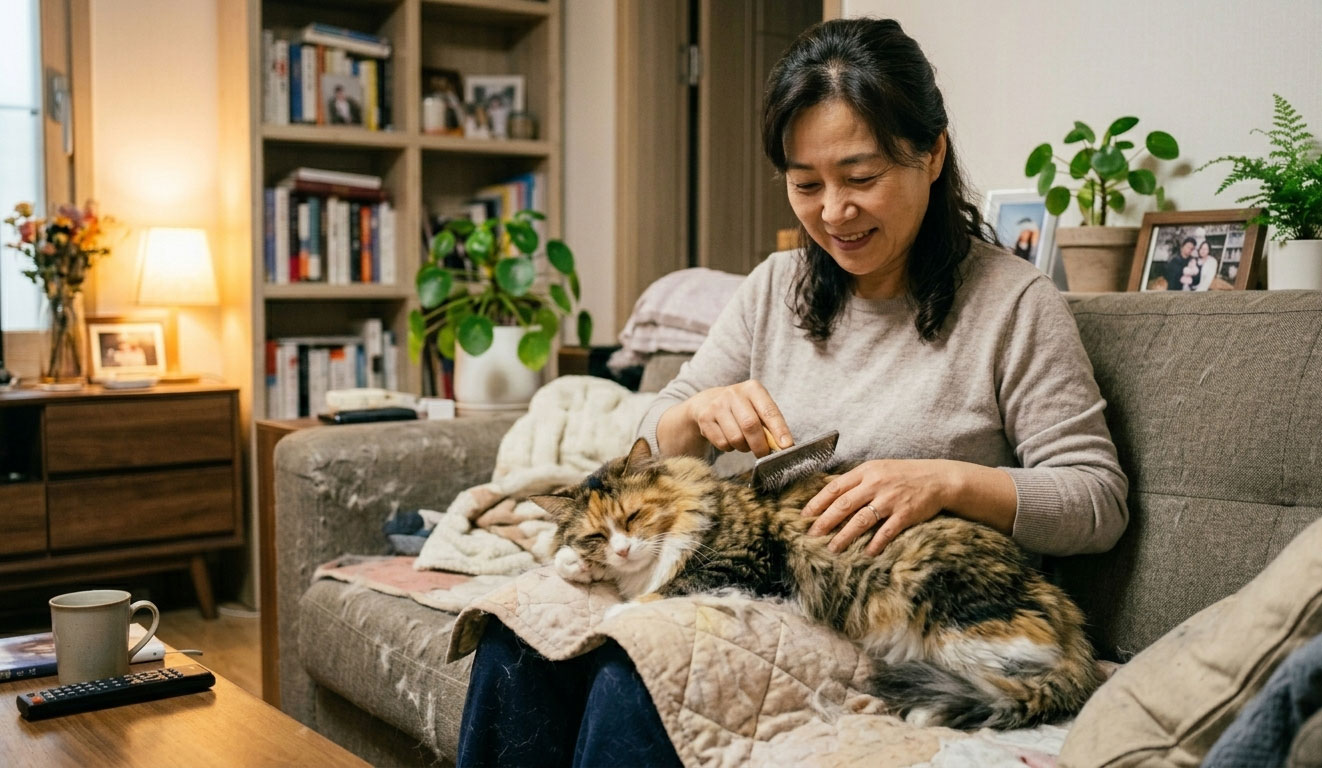
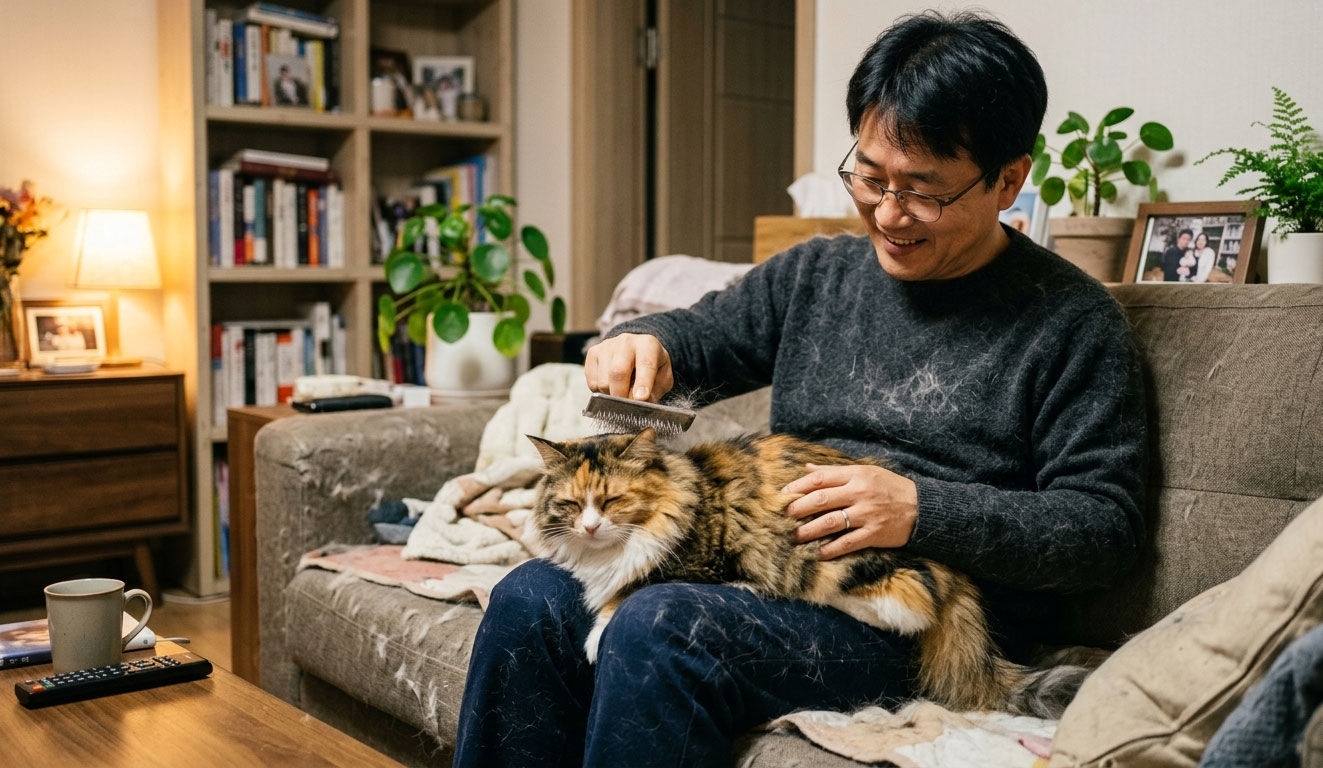
Brushing is the key to cat hair care. Removing loose hair with a brush in advance reduces the amount of hair swallowed while grooming, which can also prevent the formation of hairballs. It is recommended to brush short-haired breeds 2 to 3 times a week, and long-haired breeds daily. During the hair loss cycle, increasing the frequency to 1 to 2 times a day will noticeably reduce the amount of hair flying around the house. Since cats may initially resist brushing, it is important to start briefly and make it a positive experience by using treats.
Care Method 2. Proper Bathing Method
Cats groom themselves well, so frequent bathing is not necessary. However, bathing them once a month during the changing seasons can remove loose fur all at once. You should use a shampoo specifically designed for cats and dry them completely with a hairdryer after bathing to prevent skin diseases. If your cat absolutely hates bathing, using waterless dry shampoo or grooming wipes as an alternative is also an option. Brushing after the bath doubles the effectiveness.
Care Method 3. Supplements and Food Management
Switching to food rich in Omega-3 fatty acids or supplementing with Omega-3 supplements can improve fur shine and reduce shedding. Adding a few drops of salmon oil to the food is also a simple and effective method. Mixing wet food or using a fountain water dispenser to increase water intake helps with skin and coat health. If you are interested in overall health management along with litter box care, it is also a good idea to refer to Comparison of Cat Litter Types.
Care Method 4. Environmental Management
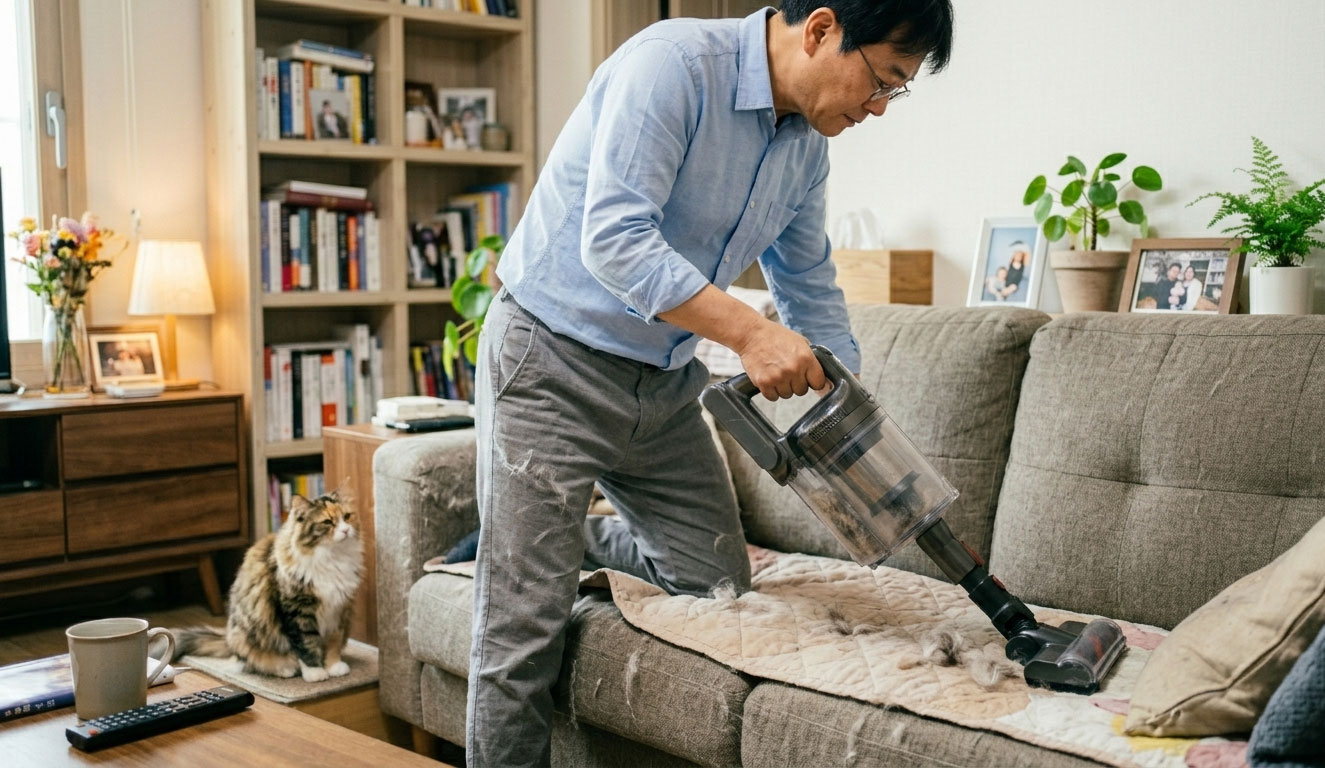
Along with reducing shedding through brushing, managing the home environment is also important. Using an air purifier can effectively remove airborne hair and dust. Cleaning daily or every other day with a vacuum cleaner equipped with a HEPA filter can reduce hair accumulation. Using dedicated covers for sofas or beds where the cat frequently spends time makes washing convenient. Adhesive tape rollers are useful for quickly removing hair stuck to clothes.

Intensive Care Routine for Hair Transplants
More intensive care than usual is required during the hair transplants in spring and autumn. Try practicing the following routine for 2 to 4 weeks.
Daily Routine
Brush for 5 to 10 minutes in the morning. It is recommended to brush daily even for short-haired breeds during the hair transplant. Discard the hair collected in the comb immediately after brushing. Vacuum in the evening, focusing on areas where the cat frequently spends time.
Weekly Routine
Double brushing using a slicker brush and a comb together. Use the slicker brush to remove loose hair, and the comb to untangle knots. Wash the cushion or pillow covers that the cat frequently uses.
Monthly Routine
Give the cat a bath to remove a large amount of shed hair at once. It is highly effective to brush while drying the cat completely with a hairdryer after the bath. Clean or replace the air purifier filter at this time as well.

Conclusion — Shedding cannot be prevented, but it can be managed
There are three main reasons for cat shedding: seasonal hair loss, stress and health issues, and nutritional imbalances. By understanding these three causes and consistently practicing four methods—regular brushing, proper bathing, nutritional management, and environmental management—you can significantly reduce the discomfort caused by shedding.
Hair is an unavoidable companion in life with a cat. However, if you establish proper care habits, you will no longer be afraid of the hair. Try starting today by taking out a brush and brushing your cat's back.
※ This article is for general reference only. If hair shedding is abnormally severe or accompanied by skin abnormalities, please be sure to consult a veterinarian.