This post is part of the Coupang Partners program, and a commission is received accordingly.
Why You Should Read Cat Food Ingredient Lists
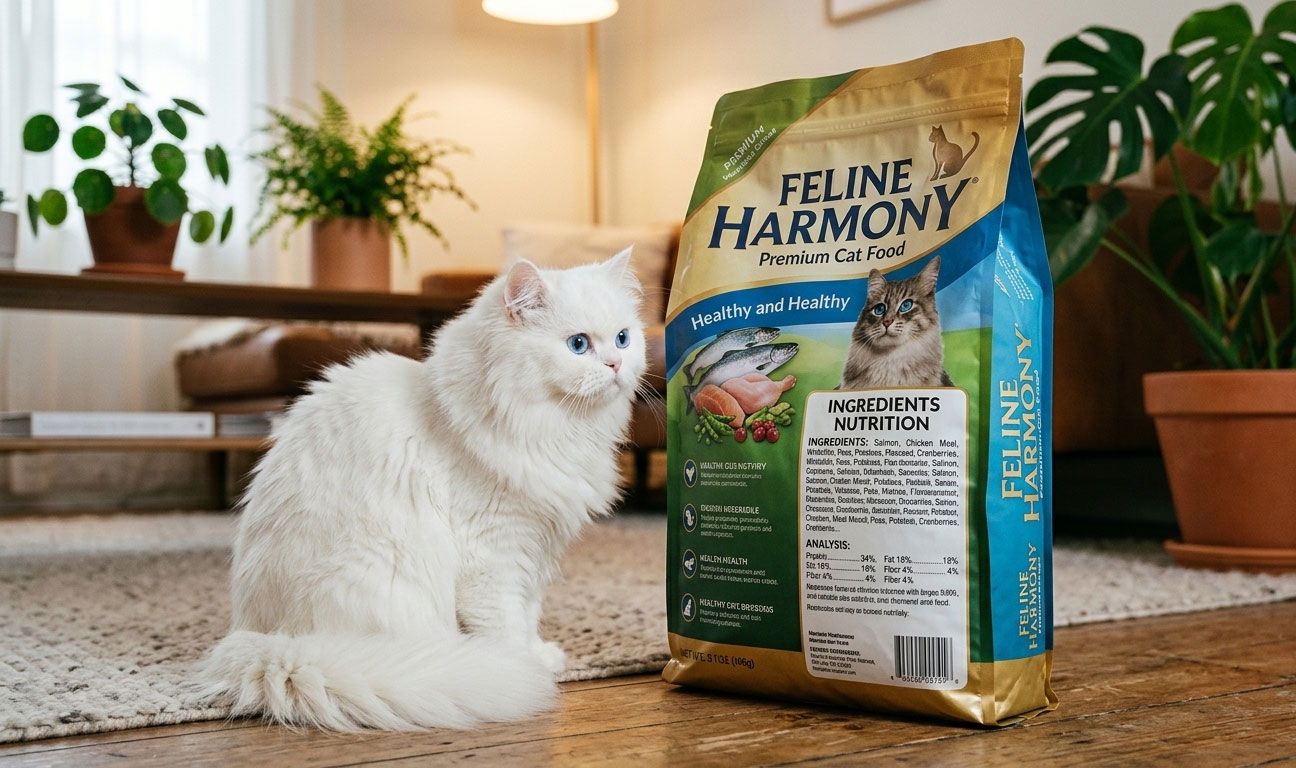
If you unfold the back of a food bag, it is packed with dense text. Ingredients, crude protein, crude fat, moisture, additives—many people simply cover it up because they don't know what to look for. However, the quality of the food your cat eats every day is contained right within that ingredient list.
Unlike dogs or humans, cats are strict carnivores. They cannot obtain sufficient essential nutrients from plant-based ingredients alone. Taurine, arachidonic acid, and Vitamin A are components that can only be obtained from animal-based ingredients. Therefore, getting into the habit of checking which ingredients are used is the most certain way to protect your cat's long-term health. This article summarizes only the key points so that even those reading an ingredient list for the first time can apply them immediately.
There are 3 key things you must check on a cat food ingredient list
Among the numerous items, there are three points that are actually most important for judging the quality of the food. If you properly understand just these three, you can determine for yourself which food is suitable for your cat.
First — Checking the order of ingredients
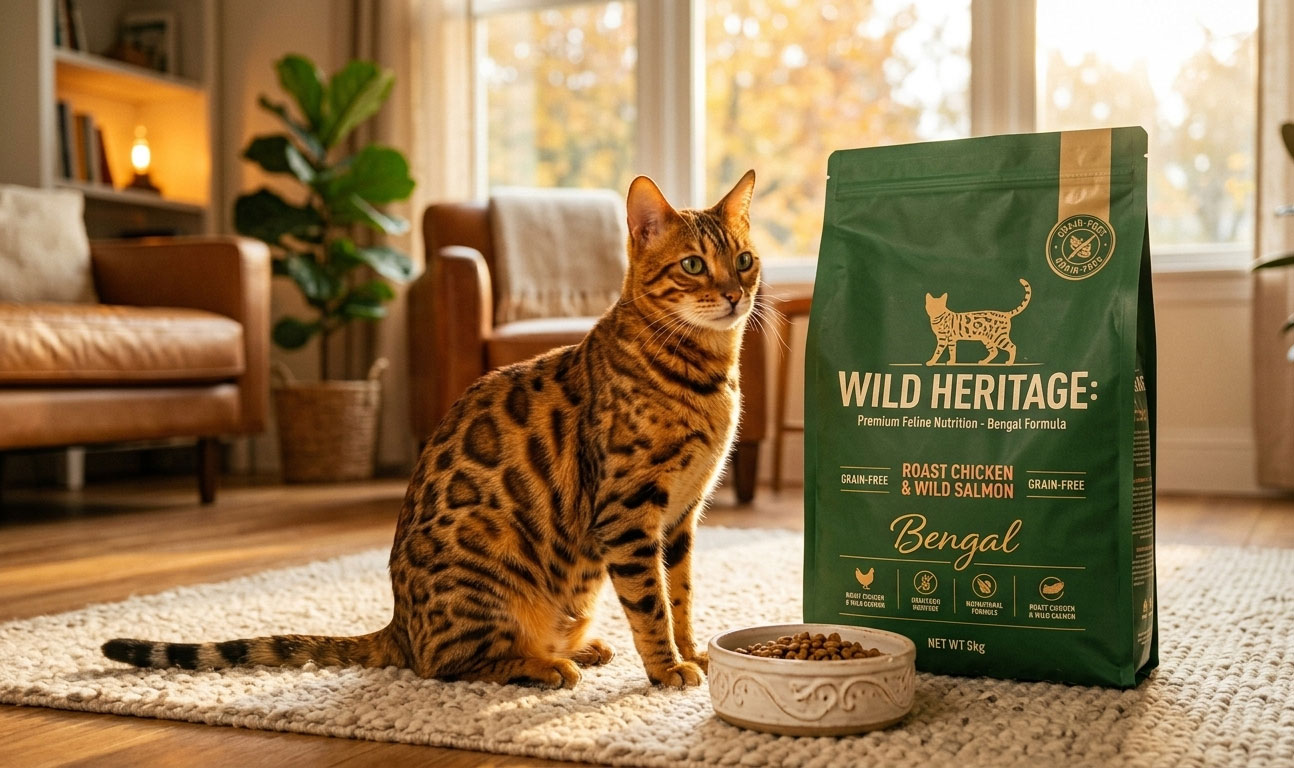
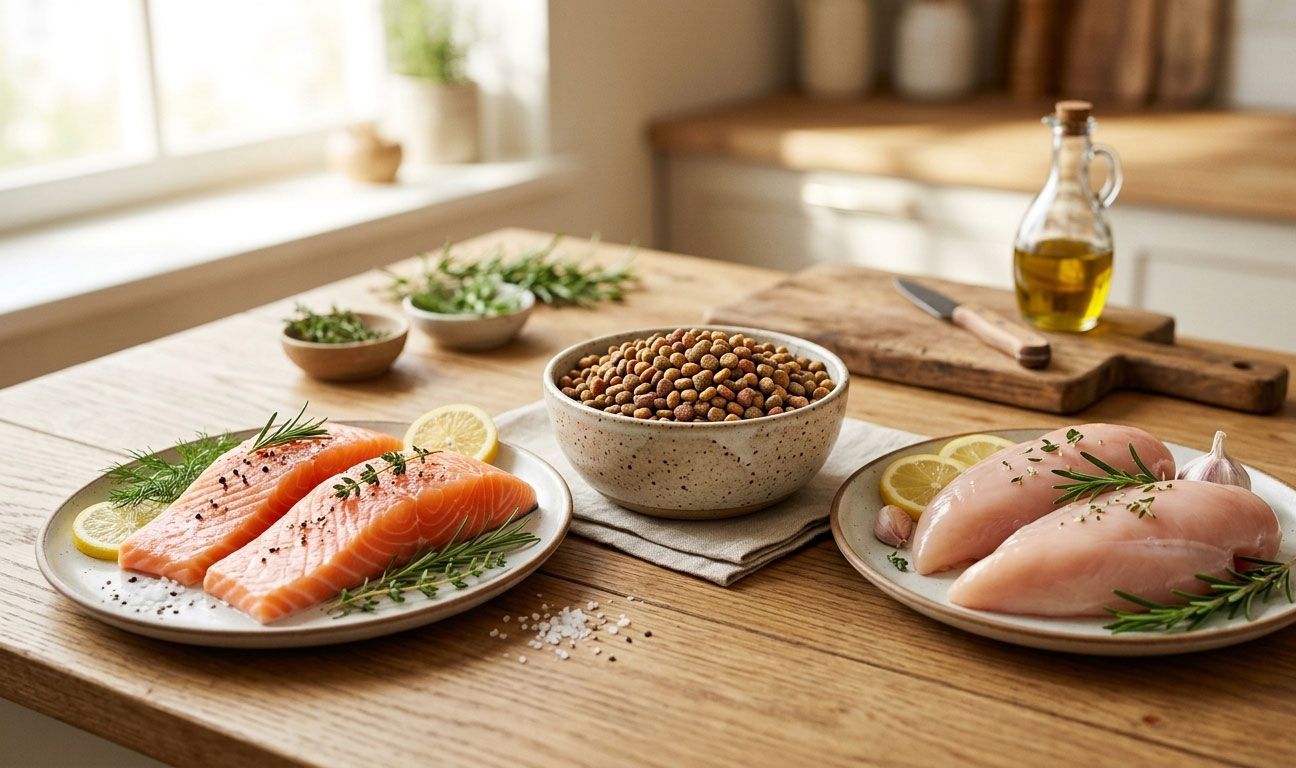
Food ingredient lists are listed in order of highest content. In other words, the ingredient listed at the very beginning is the one that makes up the largest amount of the food. If it is good food, the first item on the ingredient list must be animal protein. Since cats are carnivores, it is difficult for them to obtain sufficient essential amino acids from plant-based protein alone.
If chicken, salmon, tuna, turkey, duck, raw chicken, or raw salmon is listed as the first ingredient, it is a positive sign. On the other hand, if grains or plant-based ingredients such as corn, wheat, soybeans, or rice are listed first, there is a possibility that the protein source is insufficient, so it is necessary to check it again.
Second — Checking Crude Protein Levels
The most important number on the ingredient analysis table is the Crude Protein level. It is an indicator showing how much protein is contained in the food and is directly related to maintaining a cat's muscle mass and overall health.
The standards generally recommended by veterinarians are at least 30% Crude Protein for dry food and at least 8–10% for wet food (cans/pouches). Wet food is labeled with a lower figure due to its higher moisture content, so it should not be simply compared to dry food. However, the appropriate level may vary depending on age and health condition. Cats with kidney disease may actually need to reduce their protein intake, so if your cat has a condition, it is important to consult a veterinarian for accurate guidelines.
Third — Identifying Ingredients to Avoid
Not all additives are bad. However, it is known that it is best to choose food that contains as little of the following ingredients as possible.
BHA and BHT are synthetic antioxidants, so products using natural preservatives such as Vitamin E or rosemary extract are a better choice. Artificial colorings (Red 40, Yellow 5, etc.) are unnecessary for cats, so prioritize products that do not contain them. Foods that list specific parts of the animal in the ingredients list are more trustworthy than those that do not specify the exact part, such as "chicken by-products." Salt and sugar are sometimes added to enhance palatability, but the lower the content, the better.
Dry Food vs. Wet Food — Which Is Better?
Many pet owners wonder whether dry or wet food is better when choosing cat food. There is no single right answer. Both have pros and cons, and the appropriate ratio varies depending on the cat's age and health condition.
Characteristics of Dry Food
It has the advantage of being easy to store and beneficial for dental health. It is also economical because the feeding amount is large relative to the price. However, due to its low moisture content, it can put a strain on kidney and urinary health for cats that do not drink enough water. If you primarily feed dry food, fresh water must always be provided.
▶ View dry cat food on Coupang
Characteristics of Wet Food
With a high moisture content of 70–80%, it is effective for replenishing fluids in cats that do not drink enough water. It is especially recommended for cats with kidney disease or urinary tract problems. However, as it spoils quickly after opening, care must be taken with storage, and separate attention must be paid to long-term dental health care.
Many veterinarians recommend feeding a mixture of dry and wet food. The ratio can be adjusted according to the cat's health condition and the owner's environment. If you also want to understand the dog food ingredient list, referring to How to Read Dog Food Ingredient List will help with comparison.
▶ View Wet Cat Food on Coupang
5 Practical Tips to Know When Choosing or Switching Food
If you know how to read the ingredient list, it is also good to know the precautions to take when actually selecting and changing food.
Tip 1. The first ingredient is Check if it is meat first.
Checking whether meat, such as chicken, salmon, or turkey, appears first in the list of ingredients is the first step in selecting pet food. It is important to get into the habit of looking at the ingredient list before the brand name.
Tip 2. Check if it has 30% or more crude protein (based on dry food).
Find the crude protein value in the ingredient analysis table and check if it exceeds 30% based on dry food. If the price range is the same, food with a higher protein content is nutritionally more advantageous.
Tip 3. Replace the new food slowly over 1 to 2 weeks.
When switching to a new food, it is best to make the transition over 1 to 2 weeks, gradually increasing the mixing ratio to the existing food by 10 to 20% at a time.
Suddenly changing food often leads to digestive problems or vomiting.
Tip 4. Expensive food isn't necessarily better.
Reading the ingredient list yourself rather than focusing on the price is the surest way to protect your cat's health. You can find products with excellent raw materials and protein content even among reasonably priced foods.
Tip 5. Observe the reaction for 3-4 weeks after feeding.
No matter how good the ingredients are, food may not suit an individual cat. It is recommended to observe appetite, stool consistency, coat shine, and vitality for 3-4 weeks after switching to a new food. If adverse reactions persist, it is recommended to change the food or consult a veterinarian. If your cat suddenly stops eating well or lacks energy, I recommend trying to understand the feelings of the owner when their pet is sick.
Conclusion — 5 Minutes Is Enough to Read the Ingredient List
There are three key things to check on a cat food ingredient list. Whether the first ingredient is animal protein, whether the crude protein level is above the standard, and whether it contains any additives to avoid. If you remember just these three things, you can make your own judgment no matter what food you encounter.
Since it is food your cat eats every day, let's invest just 5 minutes to take a look at the ingredient list. It is sufficient to start by checking if the food you are currently feeding is suitable. If you want to learn more about life with a cat in general, I recommend reading Things Pets Taught Us as well.
▶ View Premium Cat Food on Coupang
※ The nutritional figures in this article are for general reference only; please consult a veterinarian for accurate food selection.