This post is part of the Coupang Partners program, and a commission is received accordingly.
Why am I so sleepy after lunch?
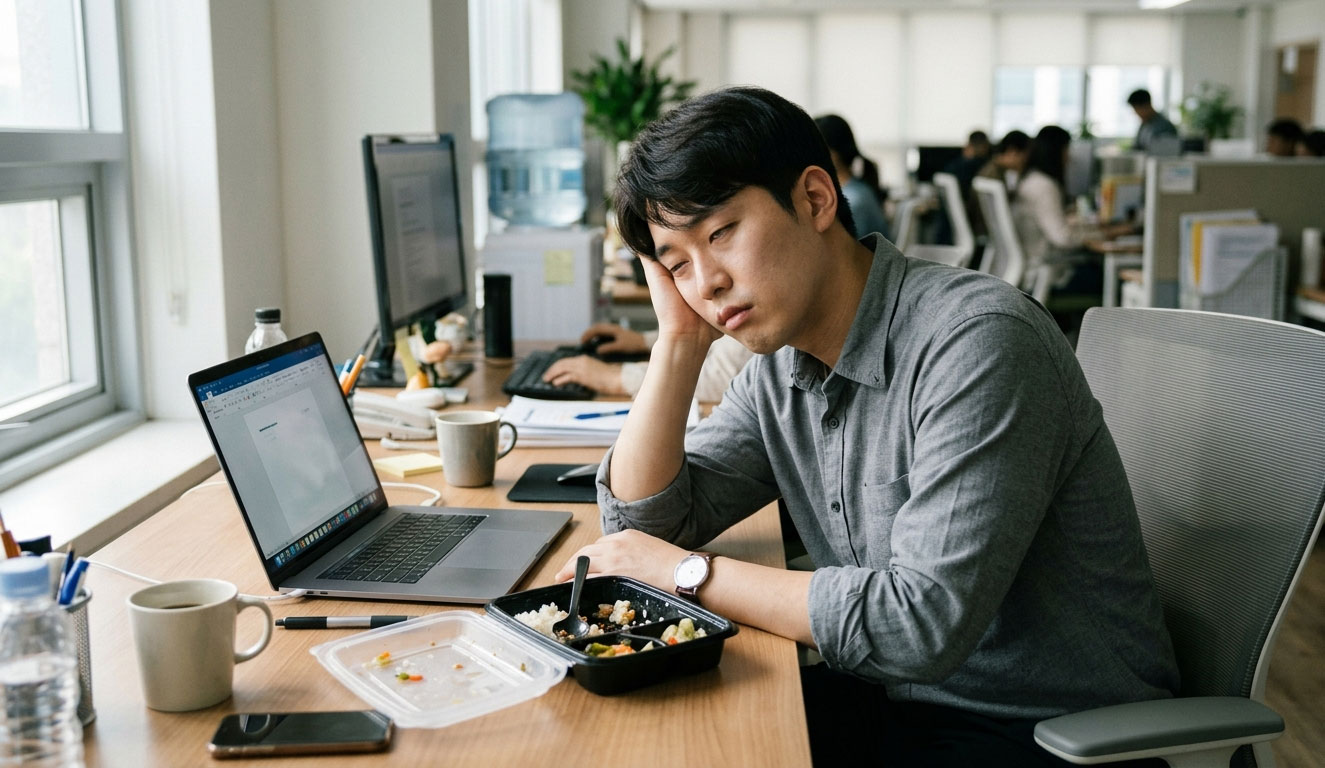
After lunch, my eyelids inevitably feel heavy. Even drinking coffee only provides temporary relief, and I find myself in a daze all afternoon, causing my work efficiency to plummet. Many people attribute this to simple fatigue or lack of sleep. However, the actual cause is often something else entirely. It is blood sugar spikes.
Blood sugar spikes do not stop at merely inducing drowsiness. If repeated, they lead to chronic fatigue, decreased concentration, and weight gain, and in the long term, increase the risk of diabetes. In this article, we summarize what blood sugar spikes are, why they occur, and practical methods to prevent them simply by changing your eating habits.
What are blood sugar spikes?
Blood sugar refers to the concentration of glucose in the blood. It is a normal process for blood sugar to rise after eating and then drop again as insulin is secreted. However, the phenomenon where blood sugar skyrockets and then drops rapidly is called a blood sugar spike.
When blood sugar rises rapidly, insulin is secreted excessively, and this insulin lowers blood sugar too quickly. The moment blood sugar drops sharply, the supply of glucose to the brain decreases, leading to extreme drowsiness, fatigue, and a decline in concentration. This is the true nature of the drowsiness that occurs after lunch. If blood sugar spikes are repeated, insulin resistance develops, which becomes a pathway leading to diabetes.
There are three main reasons why blood sugar spikes occur.
Blood sugar spikes do not occur only in people with specific diseases. Poor eating habits can trigger blood sugar spikes in anyone.
The first reason — fast eating speed
When you eat quickly, food is digested all at once, causing blood sugar to rise rapidly. Eating slowly allows glucose to be absorbed gradually, causing blood sugar to rise gradually; however, finishing a meal in just 5 to 10 minutes causes the same amount of food to raise blood sugar much more significantly. This is why office workers who eat quickly during busy lunch hours experience particularly severe drowsiness after meals. Simply developing the habit of chewing at least 20 times can help reduce blood sugar spikes.
Second Reason — Excessive Consumption of Refined Carbohydrates
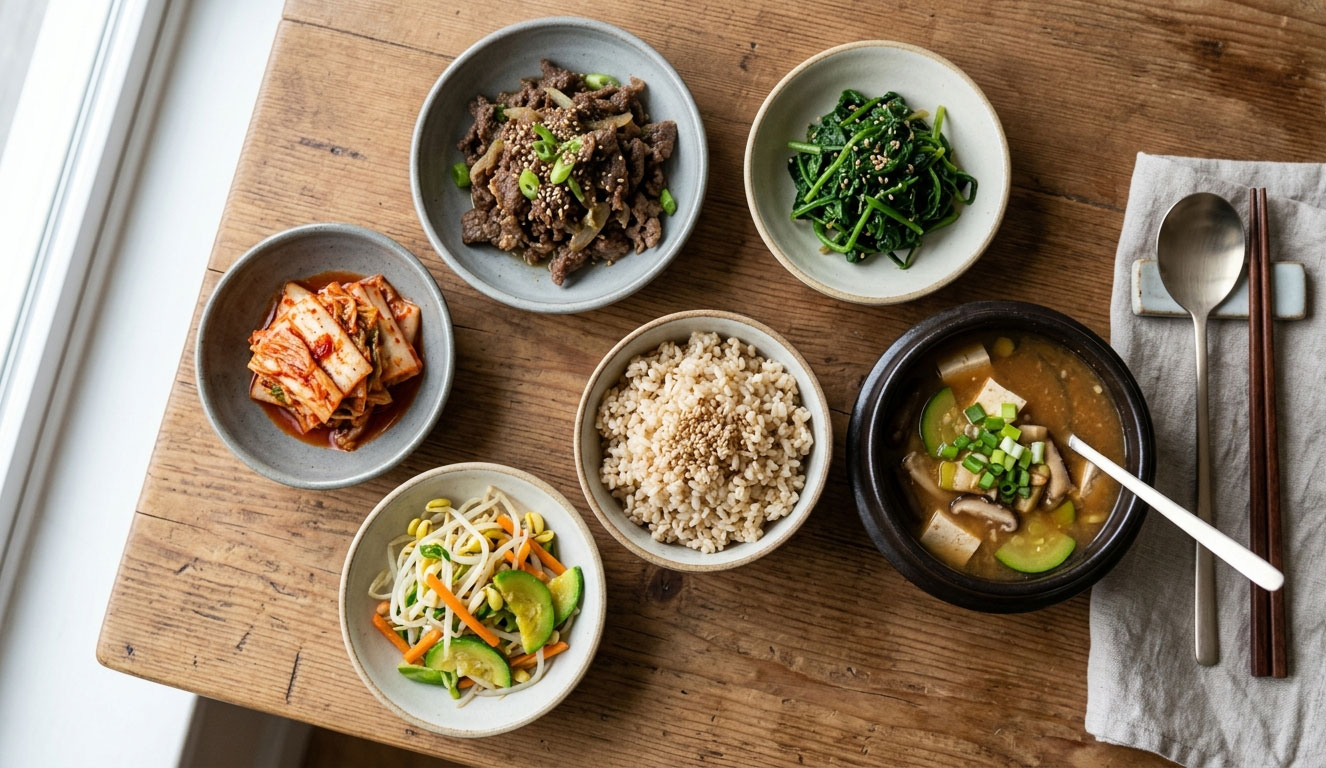
Refined carbohydrates, such as white rice, white bread, noodles, and ramen, are digested quickly and cause a rapid increase in blood sugar. Refined carbohydrates, from which dietary fiber has been removed, break down into glucose very quickly. On the other hand, dietary fiber found in brown rice, mixed grains, and vegetables slows down the rate of glucose absorption, helping blood sugar rise gradually. Since the Korean diet is centered around white rice, it is structured to be vulnerable to blood sugar spikes.
Third Reason — Eating Rapidly on an Empty Stomach
If you skip breakfast or eat a large amount at once after starving for a long time, blood sugar levels skyrocket. Blood sugar control is more difficult on an empty stomach because insulin secretion is less prepared. This is precisely why people who skip breakfast experience more severe drowsiness at lunch. Maintaining regular meal intervals is the foundation of blood sugar management.
Body Signals When Blood Sugar Spikes Repeat
If the following symptoms appear repeatedly, you need to suspect blood sugar spikes. The key is to check if they appear particularly severe after a meal.
Extreme Drowsiness and Fatigue After Meals
Extreme drowsiness strikes 30 minutes to an hour after eating. If you cannot concentrate and feel spaced out in the afternoon even after getting enough sleep, it could be a sign of blood sugar spikes.
Craving Sweets After Meals
Craving sweet desserts or drinks immediately after a meal is also a sign of blood sugar spikes. This is because when blood sugar drops rapidly, the brain demands sugar, a fast energy source. Eating sweets in this state creates a vicious cycle where blood sugar spikes repeat.
Mood Swings and Decreased Concentration
Unstable blood sugar makes it difficult to regulate emotions. If you become irritable for no reason after a meal, or if you have difficulty concentrating and remain in a dazed state, blood sugar fluctuations may be the cause.
Hunger Sets Quickly
If you feel hungry less than two hours after eating, your blood sugar has dropped too quickly. A rapid drop in blood sugar following a spike triggers a rapid feeling of hunger.
There are five main ways to prevent blood sugar spikes
Blood sugar spikes can be noticeably improved with just slight changes to eating habits. Let's put the following five methods into practice.
Method 1. Change the order of your meals — Vegetables → Protein → Carbohydrates
Even when eating the same food, the speed at which blood sugar rises varies depending on the order in which it is consumed. Eating vegetables first allows dietary fiber to form a barrier in the small intestine, slowing down the absorption of carbohydrates that follow. Research shows that simply changing the order of eating—eating vegetables first, followed by protein such as meat or fish, and finally carbohydrates such as rice or noodles—can reduce blood sugar spikes by more than 30%. It is the easiest to practice because it only involves changing the order without any separate dietary adjustments.
▶ View blood sugar management supplements on Coupang
Method 2. Eat Slowly — Chew 20 times per bite
Allow at least 20 minutes for your meal and develop the habit of chewing each bite at least 20 times. Eating slowly allows glucose to be absorbed gradually, causing blood sugar levels to rise slowly. It also helps you feel full faster, which helps prevent overeating. If it is difficult to practice during a busy lunch hour, try putting down your smartphone and focusing solely on your meal.
Method 3. Take a light walk for 10–15 minutes after a meal
Simply taking a light walk after a meal is of great help in controlling blood sugar. Walking exercise naturally lowers blood sugar by allowing muscles to use glucose as energy. Even a short walk of 10 to 15 minutes can effectively reduce post-meal blood sugar spikes. Creating a routine of taking a short walk after lunch is the simplest way to reduce afternoon drowsiness. If you want to learn more about the benefits of walking and exercise habits, I recommend reading 10 Minutes a Day, Movement Changes Everything together.
Method 4. Reduce Refined Carbohydrates and Increase Dietary Fiber
Simply switching from white rice to brown rice or mixed grain rice reduces blood sugar spikes. Including plenty of fiber-rich vegetables, mushrooms, and seaweed in your meals slows down the rate of carbohydrate absorption. If it is difficult to change everything at once, starting by mixing white rice and brown rice in a 7:3 ratio is sufficiently effective.
▶ View brown rice and mixed grains on Coupang
▶ View dietary fiber supplements on Coupang
Method 5. Managing fasting time with breakfast
Not skipping breakfast is the starting point for blood sugar management. Eating breakfast prevents overeating at lunchtime and reduces sudden fluctuations in blood sugar. If breakfast is difficult, eating even something simple like a boiled egg or a handful of nuts helps prevent a rapid rise in blood sugar while fasting. If you are curious about the connection between gut health and blood sugar management, I recommend reading 5 Lifestyle Habits to Boost Immunity as well.
Blood Sugar Management Routine to Practice Starting Today's Lunch
If it is difficult to change five things at once, let's start with just two starting today's lunch.
Changing the Order of Your Meals
Eat the vegetables among the side dishes first, and eat the rice last. There is no extra cost, and no special preparation is required. You can start practicing this right away, beginning with today's lunch.
Walk for 10 minutes after a meal
Instead of sitting down immediately after lunch, take a walk around the outside of the building. 10 minutes is enough. If you do just these two things consistently, you will notice a significant reduction in afternoon drowsiness.
Conclusion — Post-meal drowsiness can be changed
There are three main reasons for blood sugar spikes: eating too fast, consuming excessive refined carbohydrates, and eating too quickly on an empty stomach. If you understand these three causes and practice these five methods one by one—changing the order of your meals, eating slowly, taking a walk after meals, increasing dietary fiber, and eating breakfast—post-meal drowsiness and afternoon fatigue will change.
Try eating your vegetables first for lunch today. Small changes transform your afternoon.
※ The content of this article is for general health information purposes only. If blood sugar-related symptoms persist, please consult a specialist.