I was alone, but why doesn't it feel like I rested?

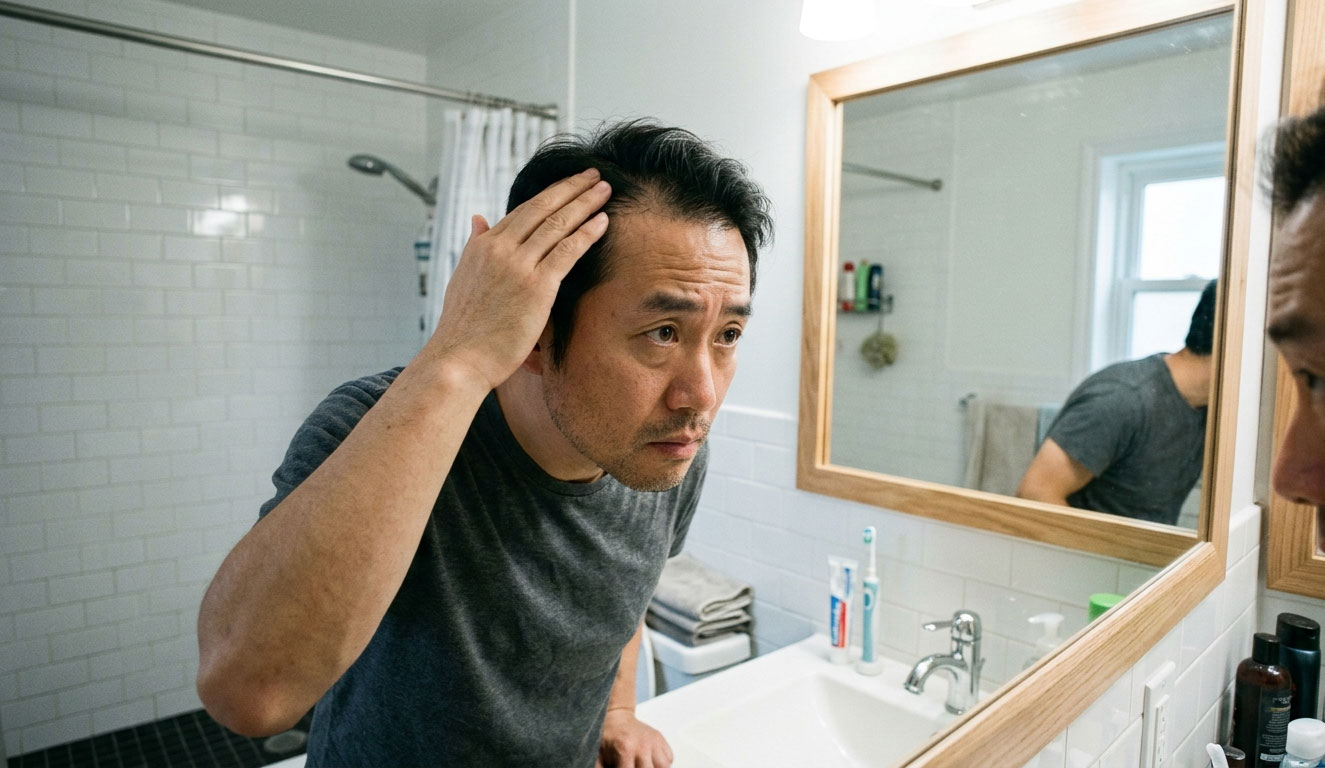
It was a weekend afternoon, and I was home alone with no plans. I lay on the sofa watching YouTube, scrolling through my smartphone, and ordered delivery food. Several hours passed, but strangely, I didn't feel refreshed. That feeling of being alone but not resting. In fact, I felt even more tired.

Time spent alone is different from time spent truly resting. Just because you have time to yourself does not mean you will automatically recover. How you spend that time is the key to recovering from fatigue. In this article, I will summarize the reasons why you cannot rest even when you are alone and practical ways to turn that time alone into true recovery.

Being alone is different from true resting.

Many people think that time spent alone is synonymous with rest. However, from a neuroscience perspective, being alone does not mean the brain is resting. For the brain to rest, it requires a quiet state where external stimuli are reduced and the focus turns inward.

YouTube, social media, and Netflix are watched alone, but from the brain's perspective, it is a state of constantly processing information and reacting. This is not rest; only the type of stimulation has changed. The true way to rest alone is to reduce stimulation and give the brain time to organize itself. Psychological recovery does not begin with doing nothing, but with choosing activities that do not burden the brain.

There are three main reasons why you cannot rest even when you are alone.

You must accurately identify the cause of why you cannot recover even when you have time alone for the solution to become clear.

The first reason — endless digital stimulation

Many people spend the majority of their time alone with their smartphones. The smartphone is an infinite source of stimulation in the palm of your hand. Short-form videos, social media feeds, and news notifications constantly stimulate the brain's reward circuits. Since the brain is trained to feel anxious without stimulation, people naturally reach for their smartphones when they are alone. As a result, the brain remains in a state of overload throughout the entire time spent alone, unable to rest. If you want to learn more about the impact smartphones have on the brain, I recommend reading 4 Hours Without a Smartphone, My Brain Started Resting as well.

Second Reason — Tasks Don't Disappear from Your Mind

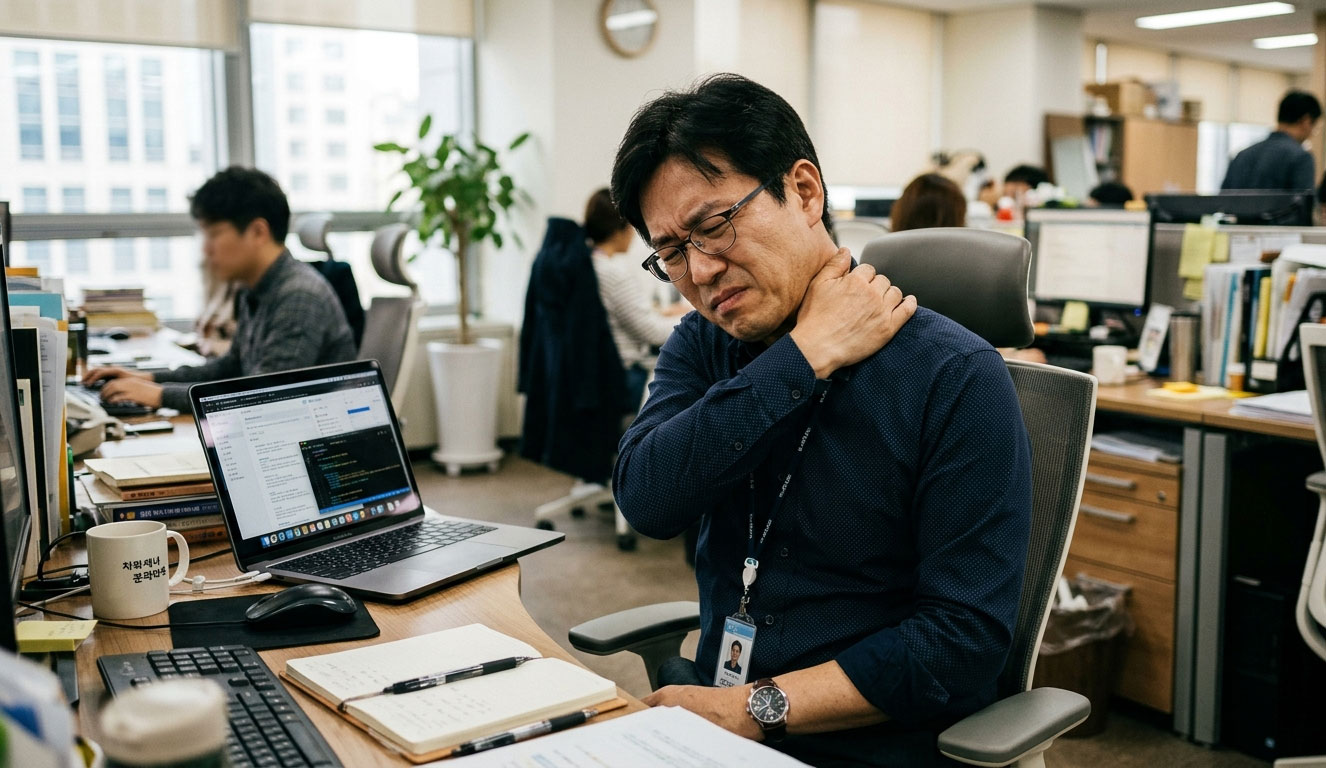
Even when your body is lying on the sofa, your mind is often filled with tasks for tomorrow, unhandled problems, and worries. In psychology, this is called a "state of cognitive arousal." It is a state where the brain continues to function even when the body is resting. In this state, psychological recovery does not occur no matter how long you lie down. In particular, thoughts about unfinished tasks are even harder to shake off because the brain has a characteristic of intentionally bringing them to mind.

Third Reason — You Feel Uncomfortable with Being Truly Alone

Many people feel uncomfortable being alone in quiet solitude without any stimulation. According to research, many people tend to choose unpleasant stimuli over doing nothing and thinking alone. Silence feels unfamiliar. Constantly trying to fill one's time alone with something is a reaction to avoid this discomfort. However, enduring this discomfort is the beginning of psychological recovery.

Here are 5 ways to make alone time a source of recovery

The method of resting alone does not have to be grandiose. The key is not to provide the brain with new stimuli, but to create an environment where the brain organizes itself.

Method 1. Put your smartphone in another room

The first step is to place your smartphone out of reach when your alone time begins. If it is in the same room, your hand will unconsciously reach for it even if you consciously try not to look. Simply placing it in a different room significantly reduces the frequency of checking your smartphone. You may feel anxious at first, but after 20 to 30 minutes, that anxiety disappears and your brain gradually begins to stabilize.

Method 2. Engage in analog activities using your hands

Activities that involve using your hands, such as reading, drawing, writing a diary, puzzles, and knitting, intensively use specific parts of the brain while naturally pushing away other worries. Activities that involve using your hands without looking at a screen are particularly effective for psychological recovery because they use the brain lightly without overloading it. The purpose is simply to do it, without the pressure to do it well or complete it.

Method 3. Wake up your body and brain simultaneously with a short walk

Taking a light walk for 20 to 30 minutes when you are alone is a very effective method for psychological recovery. The rhythmic movements while walking stimulate the secretion of serotonin in the brain, and your thoughts naturally become organized. It is even more effective to walk without earphones. Opening your senses to surrounding sounds, wind, and light allows your brain to stay in the present moment, making it easier to escape from worry.

Method 4. Intentionally Allow 'Time for Doing Nothing'

Many people regard doing nothing as laziness or a waste of time. However, the brain organizes information accumulated during the day and generates creative thoughts while in a state of inactivity. This is called the brain's 'Default Mode Network.' Staring at the ceiling, gazing blankly out the window, or simply sitting can be the time of deepest recovery for the brain. Try intentionally allowing yourself this time, even if it is just 10 to 15 minutes a day.

Method 5. Create a Space Just for You

Designating a small space of your own within your home is helpful. A chair with a favorite cushion, a corner with comfortable lighting, and a table with a favorite scented candle are enough. Simply sitting in that space serves as a signal that 'now is time for me.' When the environment changes, the brain becomes more likely to switch to a different mode.

3 Solo Relaxation Routines to Practice Starting This Evening

If you know the methods but find it difficult to actually put them into practice, the most realistic approach is to gradually incorporate them into your evening routine.

30 Minutes After Work — Create a Transition Time

Instead of lying on the sofa or looking at your smartphone immediately upon arriving home, start by changing your clothes and making a warm drink. This small routine serves as a signal to switch from work mode to relaxation mode. If you try to rest immediately without this transition time, it is difficult to achieve true rest because your brain has not yet fully exited work mode.

20 Minutes After Dinner — Smartphone-Free Time

Try spending just 20 minutes after dinner without your smartphone. It is fine to read a book, write in a diary, or simply zone out. It may feel awkward at first, but if you repeat this for just 3 to 4 days, this time becomes the most comfortable time of the day.

1 Hour Before Bedtime — Dim Lights and Lower Brain Temperature

Dimming lights and avoiding stimulating content starting one hour before bedtime is directly linked to the quality of sleep. This is the period during your alone time when the deepest psychological recovery occurs. If you want to learn more about the relationship between sleep and recovery, I recommend reading Science Proven That Sleep Is the Best Medicine together.

Conclusion — Using Time Alone Well Is Also a Skill

There are three main reasons why people cannot rest even when they are alone: ceaseless digital stimulation, thoughts that never leave their minds, and discomfort with silence. If you understand these three things and make small changes, your alone time will transform into a time of true recovery.

Leaving your smartphone in another room, engaging in activities that use your hands, taking short walks, and allowing yourself time to do nothing. As these small choices accumulate, time spent alone is no longer a time of loneliness or boredom, but becomes the most recharging time of the day. Learning how to rest alone is ultimately the most fundamental way to take care of yourself.

※ The content of this article is for general health information purposes only. If psychological difficulties persist, please consult a professional.